
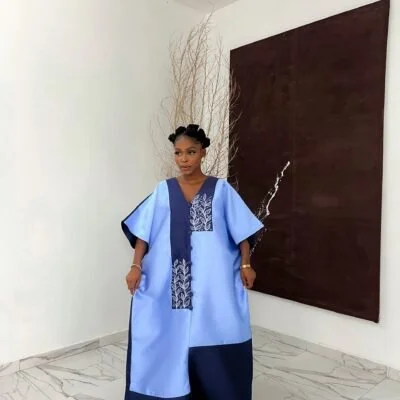
December 5, 2025
End of Content.
End of Content.

No products in the cart.
No products in the cart.
End of Content.

Bubu gown styles have emerged as one of Africa’s most influential fashion contributions to the global style landscape. These flowing, wide-sleeved garments trace their origins to West African royalty, where they were adopted by the nobility of 12th and 13th-century Mali as status symbols. Today, they represent a perfect marriage of cultural heritage and contemporary comfort that appeals to women worldwide. If you’re exploring bubu clothing collections, understanding their versatility and cultural significance helps you appreciate why these garments have transcended generations.
The appeal of these garments extends far beyond aesthetics. They traditionally symbolize grace and social standing, seamlessly shifting from the intimacy of home to the grandeur of ceremonies. Unlike restrictive Western silhouettes, the bubu philosophy centers on freedom of movement and natural body acceptance. Common fabrics used include Ankara, lace, chiffon, silk, cotton, crepe, and batik, often featuring bright colors that celebrate African textile traditions.
At Tailored by Adunni, we’ve assembled a comprehensive collection of 50 distinct bubu gown styles and designs that honor this rich heritage while addressing modern lifestyle needs. As a women’s RTW clothing brand in Ikeja Lagos, we’ve spent years understanding what makes these garments special and how to adapt them for contemporary wardrobes.
This guide explores each design in detail, examining fabric choices, construction techniques, styling versatility, and the specific occasions where each piece shines. Whether you’re new to African fashion or expanding your existing wardrobe, you’ll discover insights that help you make informed choices.
Before exploring individual designs, it’s valuable to understand what makes these garments culturally significant and practically superior to many Western alternatives, an african women’s clothing in lagos brand also analyze this.
The boubou typically consists of a large gown-like robe worn by both men and women, considered a symbol of African cultural identity and heritage. According to Harper’s Bazaar fashion experts, the boubou represents one of Africa’s most significant contributions to global fashion The women’s adaptation, which we focus on here, has evolved to include various necklines, sleeve lengths, and decorative elements while maintaining the core principle of comfortable, flowing elegance.
The construction philosophy differs fundamentally from Western dress-making. Rather than emphasizing body-conscious fits that require precise measurements, bubu gown styles celebrate the body’s natural form. This approach offers several practical advantages: they accommodate weight fluctuations, provide comfort in warm climates, allow unrestricted movement, and flatter diverse body types without extensive alterations.
What’s striking is that the design has never been about constriction, making these garments particularly relevant in contemporary discussions about body positivity and comfortable fashion.
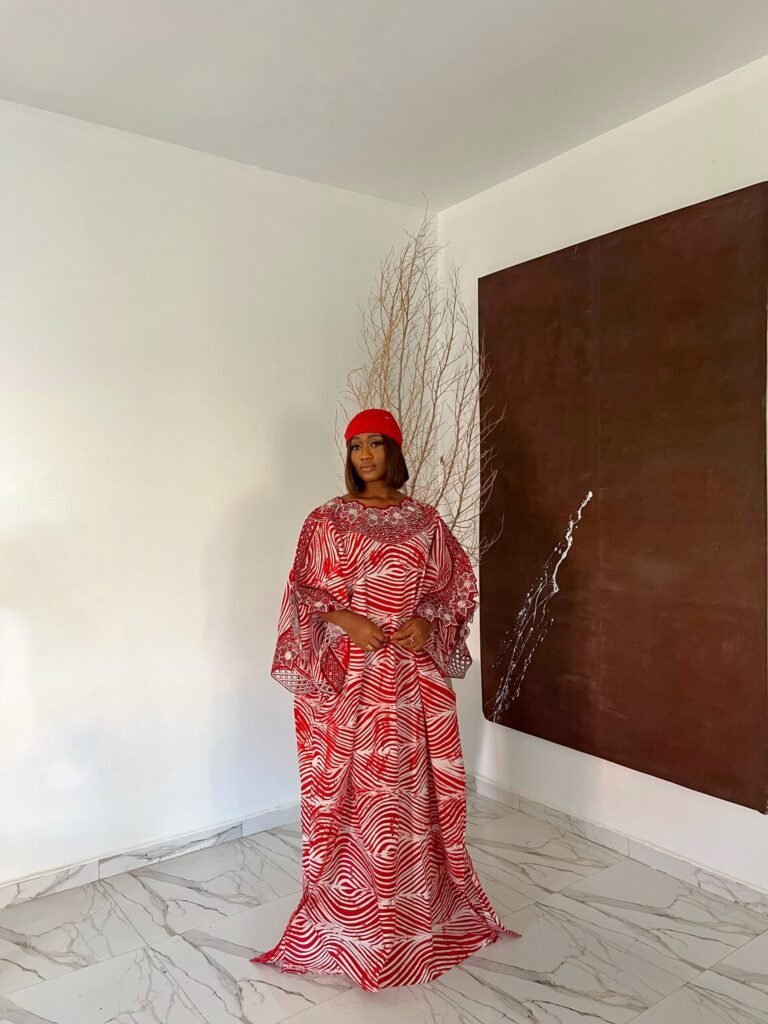
The Adiza Embellished Bubu represents the pinnacle of ceremonial dress-making. The embellishment work involves hand-applied beading or embroidery that follows traditional patterns while creating modern visual impact. These decorative elements are strategically placed to enhance the neckline and sleeve areas, drawing the eye to these focal points.
The base fabric is typically a medium-weight material that provides structure to support the embellishments without becoming too heavy for comfortable wear. The embellishment technique requires skilled artisanship, with each bead or thread carefully secured to withstand movement and multiple wearings.
This design works particularly well for evening events where lighting enhances the reflective qualities of the embellishments. The weight distribution is carefully considered so the garment drapes beautifully without pulling at the shoulders. Women who choose this style appreciate the craftsmanship involved and the way it transforms simple movements into visual poetry.
Fabric composition: Usually constructed from premium cotton blends or silk bases.
Construction details: Reinforced shoulder seams, hand-finished embellishments, French seams.
Occasions: Religious ceremonies, wedding receptions, milestone celebrations, formal cultural events
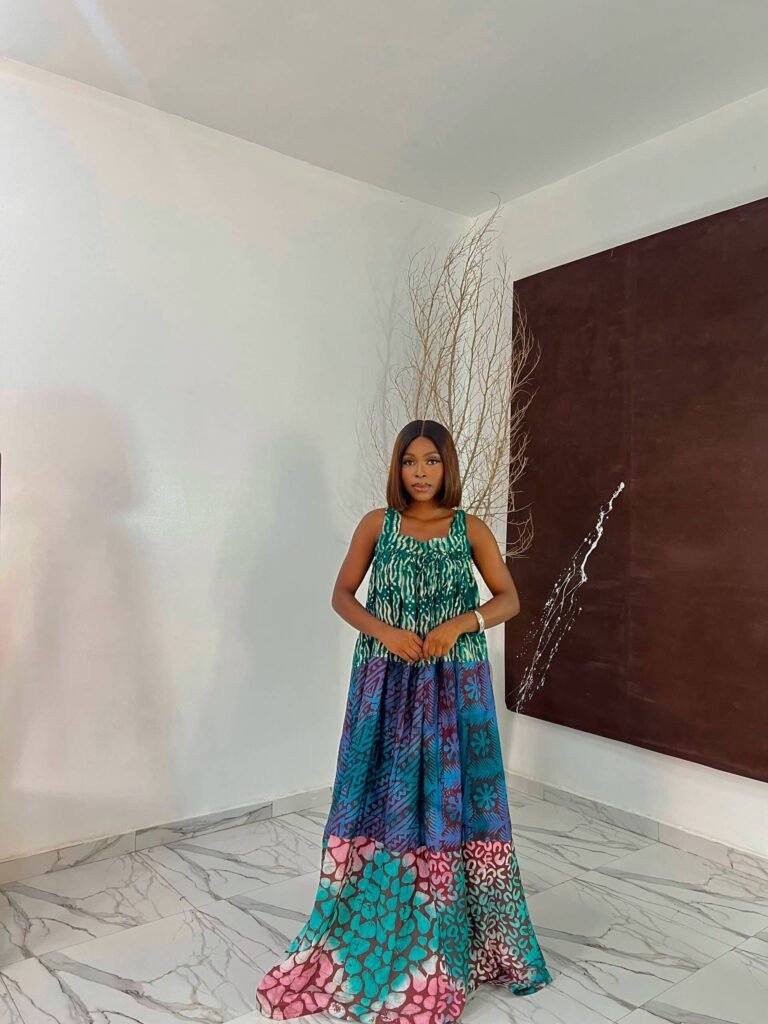
The Aduke Square Neck introduces geometric precision to traditional bubu gown styles. The square neckline requires precise pattern-making to ensure the corners sit correctly on the shoulders without gaping or pulling. This neckline style originated in European tailoring but has been successfully adapted to African silhouettes.
The square opening creates a flattering frame for the face and offers excellent opportunities for jewelry styling. The geometric shape provides visual structure that balances the flowing body of the garment. Many women find this neckline particularly comfortable because it doesn’t restrict neck movement while still providing modest coverage.
Pattern-wise, achieving the perfect square neckline involves careful measurements of shoulder width and chest circumference. The corners must be reinforced to prevent stretching over time, typically through interfacing or double-fold binding techniques.
Fabric composition: Works well with medium-weight cottons and cotton-linen blends
Construction details: Interfaced neckline corners, bias-cut sleeves for drape, covered seam finishes
Occasions: Professional gatherings, church services, daytime celebrations, brunch events
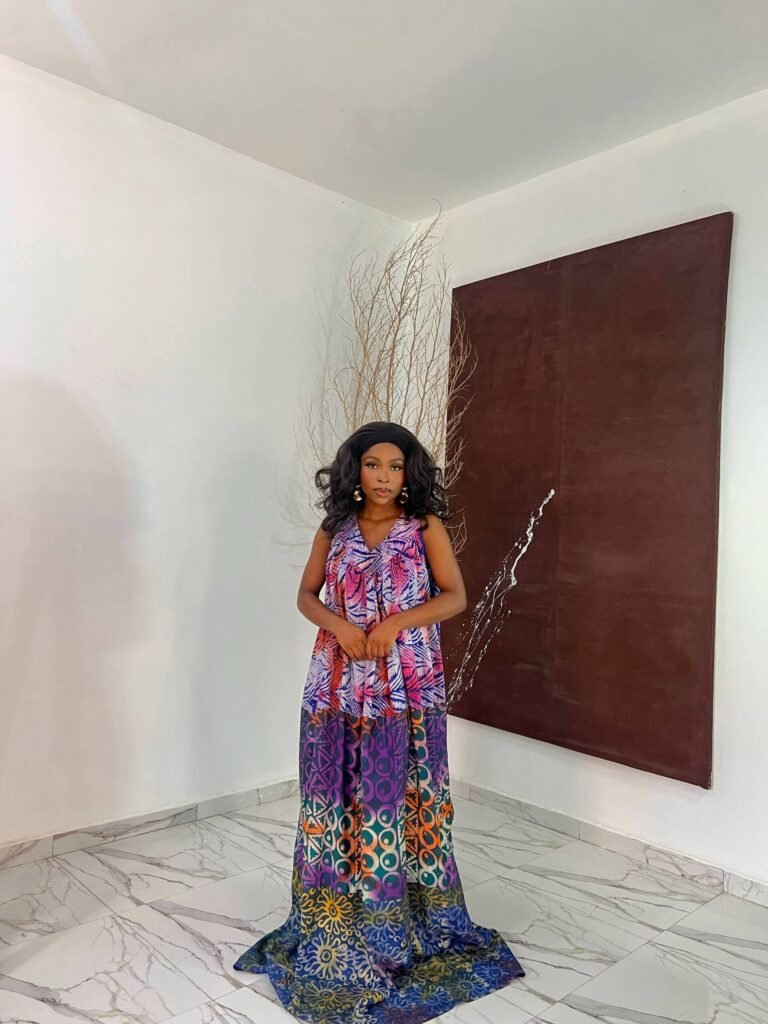
The Aduke V-Neck Bubu features one of the most universally flattering necklines in garment design. The V-shape creates vertical lines that elongate the torso and draw the eye upward, which many women find visually appealing. This neckline depth can be adjusted based on personal comfort and cultural considerations.
The V-neck requires careful construction to prevent gaping when the wearer moves. This is typically achieved through dart placement at the bust or through princess seaming that provides subtle shaping without compromising the relaxed bubu silhouette. The point of the V must be reinforced, often with a small triangular gusset or bar tack, to prevent tearing.
This design accommodates various necklace styles particularly well. Pendant necklaces follow the V-line naturally, while statement pieces sit comfortably within the open neckline space. The depth of the V can range from modest to more revealing, offering options for different preferences and occasions.
Fabric composition: Suitable for lightweight to medium-weight fabrics including rayon and cotton sateen
Construction details: Reinforced V-point, optional princess seaming, bias-bound neckline
Occasions: Versatile for professional, social, and semi-formal settings
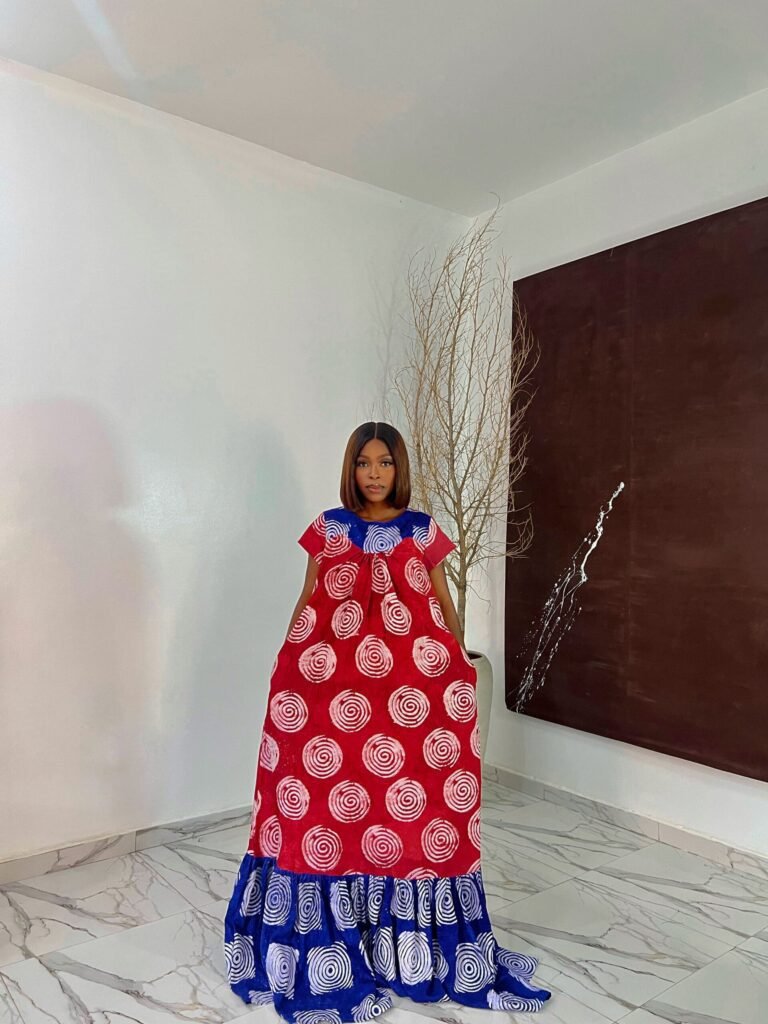
The Ajoke Dress represents a hybrid approach that incorporates Western dress structure into traditional bubu gown styles. This design features more defined waist shaping, either through gentle gathering, elastic channels, or tie details that create a feminine silhouette while maintaining comfort.
The construction involves princess seaming or vertical panel construction that provides shape without tight fitting. This allows the garment to skim the body rather than cling, offering a more tailored appearance while preserving the easy wear that makes bubu styles so popular.
The dress-style adaptation appeals particularly to women transitioning into African fashion from Western wardrobes, as the silhouette feels more familiar while introducing them to the comfort and aesthetic of traditional designs. The defined waist also makes styling simpler, as the garment’s structure is more apparent.
Fabric composition: Works best with fabrics that have some body like structured cotton or light denim
Construction details: Princess seams, optional waist definition, set-in sleeves or raglan construction
Occasions: Office environments, business casual settings, daytime professional events
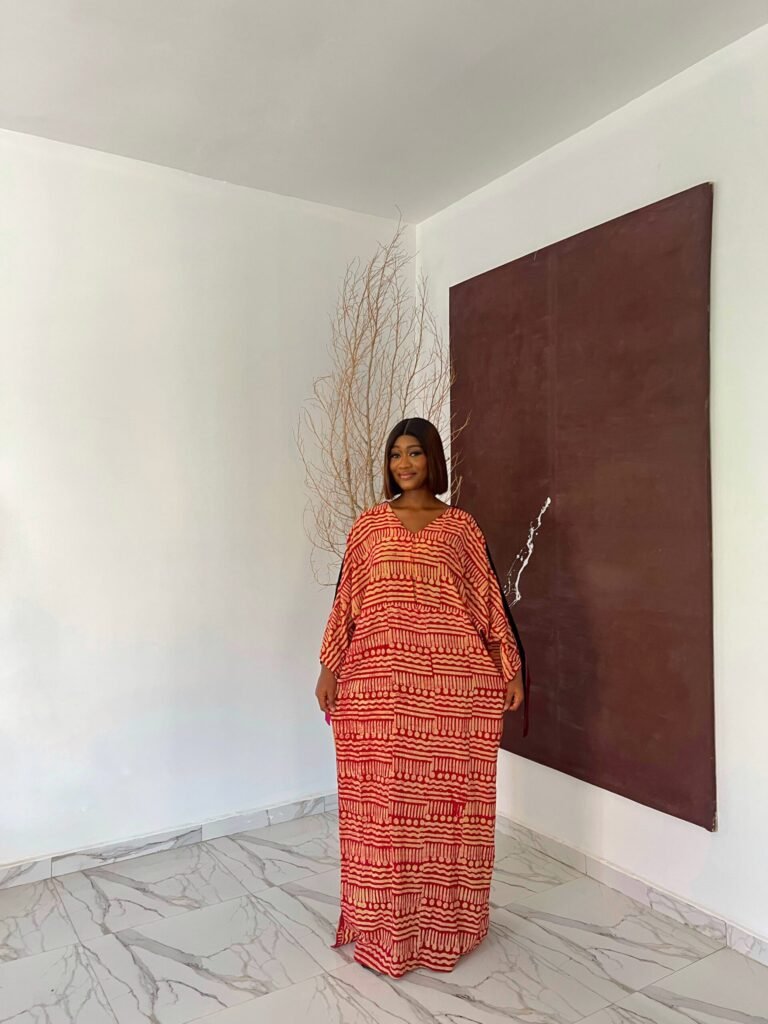
The Amal Bubu embodies minimalist elegance through clean lines and quality fabric selection. This design philosophy prioritizes fabric quality over decorative elements, allowing the material’s natural drape and texture to provide visual interest.
The pattern construction uses minimal seaming to create an uninterrupted flow from shoulder to hem. This requires wider fabric widths and careful pattern layout to avoid unnecessary seams that could disrupt the clean lines. The sleeve construction typically uses a kimono or dolman style that extends naturally from the body without set-in sleeve seams.
This approach to bubu gown styles appeals to contemporary minimalists who appreciate quality craftsmanship without obvious embellishment. The simplicity also makes these garments highly versatile, as they serve as blank canvases for accessory styling while looking equally appropriate worn simply.
Fabric composition: Premium cottons, silk blends, or high-quality rayons that showcase drape
Construction details: Minimal seaming, clean finishes, possibly French seams throughout.
Occasions: Everyday elegance, casual professional settings, relaxed social gatherings.
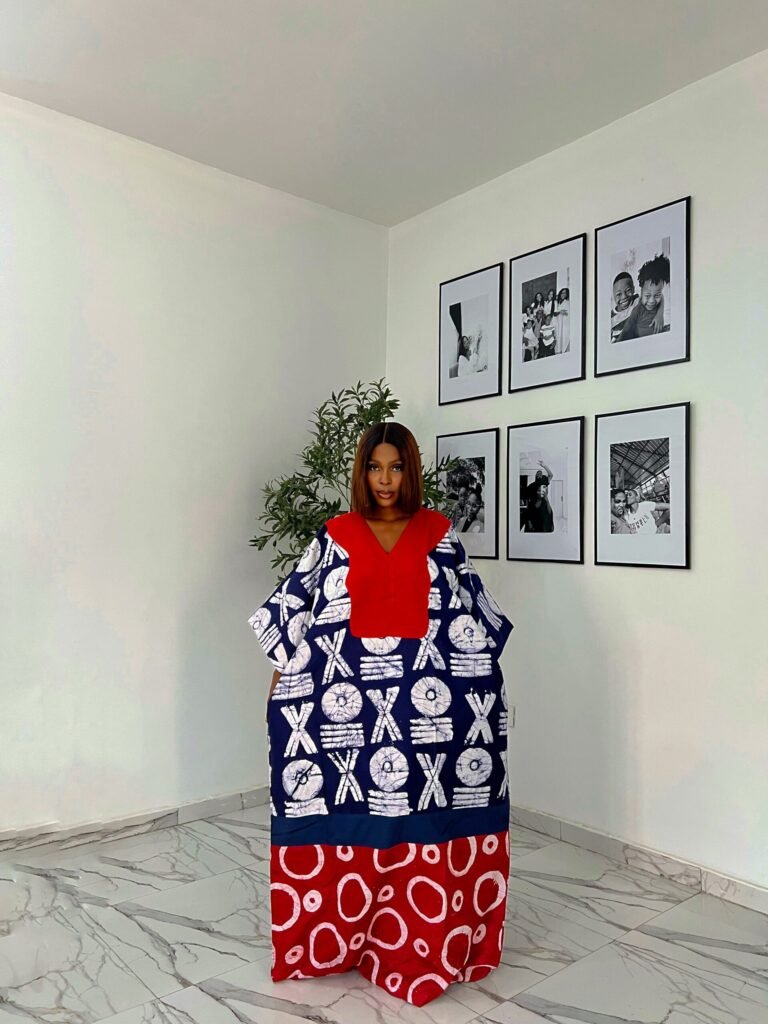
The Ana Bubu addresses the practical need for garments that transition seamlessly between different settings throughout the day. This design typically features moderate embellishment or pattern work that reads as appropriate in multiple contexts.
The construction considers practical elements like pocket placement (often hidden in side seams), appropriate hem lengths for various activities, and sleeve designs that work equally well bare or layered with undergarments. The fabric selection usually favors wrinkle-resistant materials that maintain appearance throughout long wear periods.
Transitional designs like this solve real wardrobe challenges for busy women who need outfits that function across multiple obligations without requiring complete changes. The styling versatility comes from balanced design elements that aren’t too casual or too formal.
Fabric composition: Wrinkle-resistant cotton blends, jersey knits, or treated natural fibers
Construction details: Practical pocket integration, comfortable sleeve length, versatile neckline
Occasions: Multi-purpose wear spanning professional, social, and casual contexts
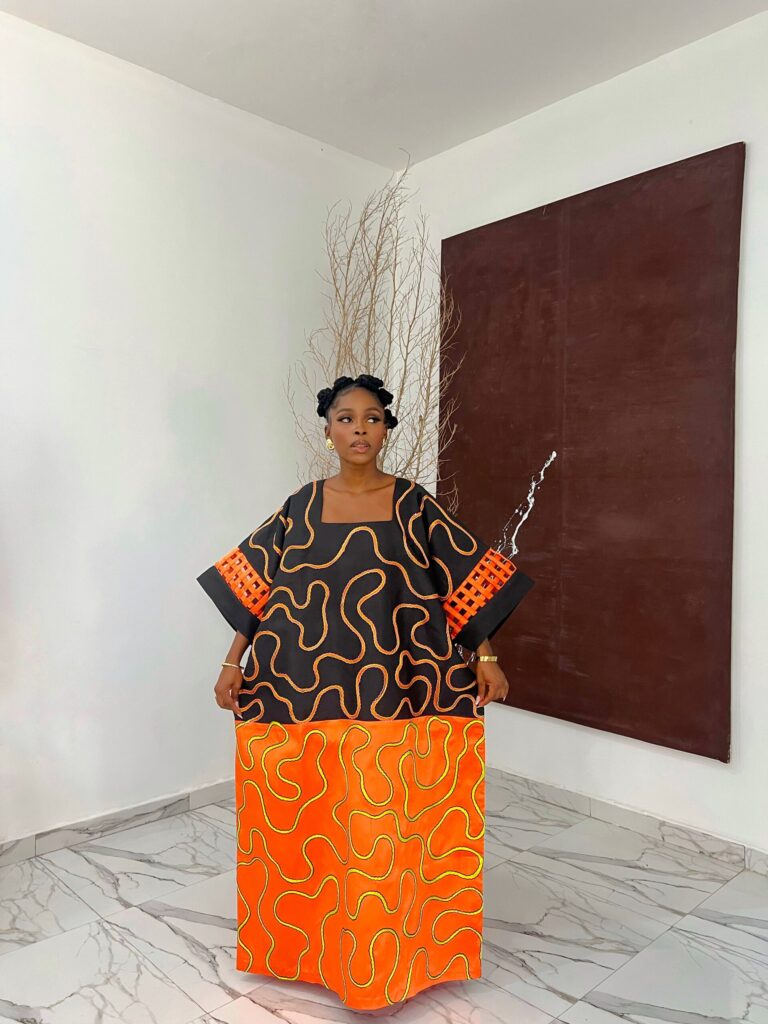
The Arley Bubu incorporates distinctive design elements that set it apart within the bubu clothing collection. These might include unique sleeve treatments, innovative neckline designs, or unexpected fabric combinations that create visual interest.
Design innovation in traditional garments requires careful balance. The distinctive elements must enhance rather than overwhelm the classic silhouette. This might be achieved through asymmetrical hemlines, color-blocked panels, or textured fabric combinations that add dimension without compromising the flowing comfort that defines bubu gown styles.
The construction techniques for innovative designs often require additional skills. For instance, asymmetrical hemlines need careful pattern grading to ensure the garment hangs correctly, while fabric combinations require consideration of different shrinkage rates and care requirements.
Fabric composition: May combine multiple fabric types for textural contrast.
Construction details: Complex pattern pieces, innovative construction techniques, careful finishing.
Occasions: Fashion-forward events, creative gatherings, making memorable impressions
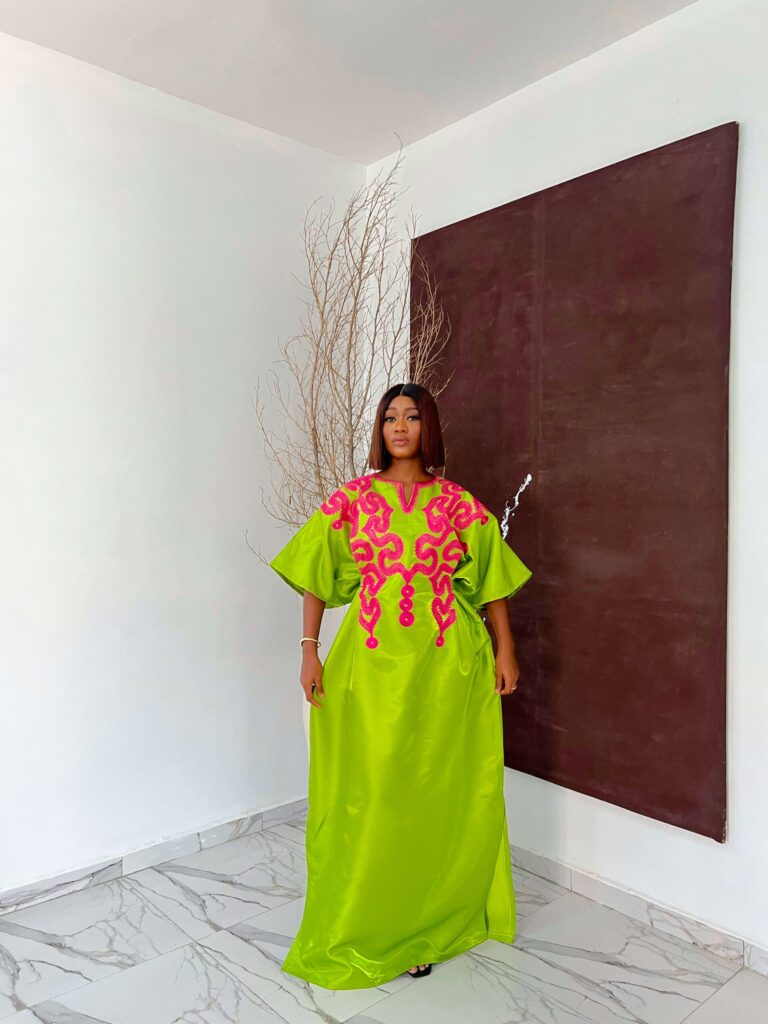
The Beerah Bubu prioritizes breathability and comfort through fabric selection and construction techniques suited to warm climates. The emphasis on airflow makes this design particularly relevant in tropical and subtropical regions where heat management is essential for comfort.
Fabric selection for warm-weather bubu gown styles typically includes natural fibers like cotton, linen, or bamboo blends that allow air circulation and moisture wicking. The weave structure matters significantly—looser weaves provide better airflow, though they may sacrifice some opacity, requiring thoughtful undergarment consideration.
Construction techniques for breathable designs might include strategically placed gussets that allow air movement, underarm venting through design seams, or sleeve styles that permit maximum airflow while maintaining modesty. The overall pattern typically maximizes fabric volume to create air pockets between garment and skin.
Fabric composition: Lightweight cotton voile, linen, or open-weave natural fibers
Construction details: Loose weave fabrics, possible ventilation gussets, full volume for air circulation.
Occasions: Outdoor daytime events, tropical settings, warm season celebrations
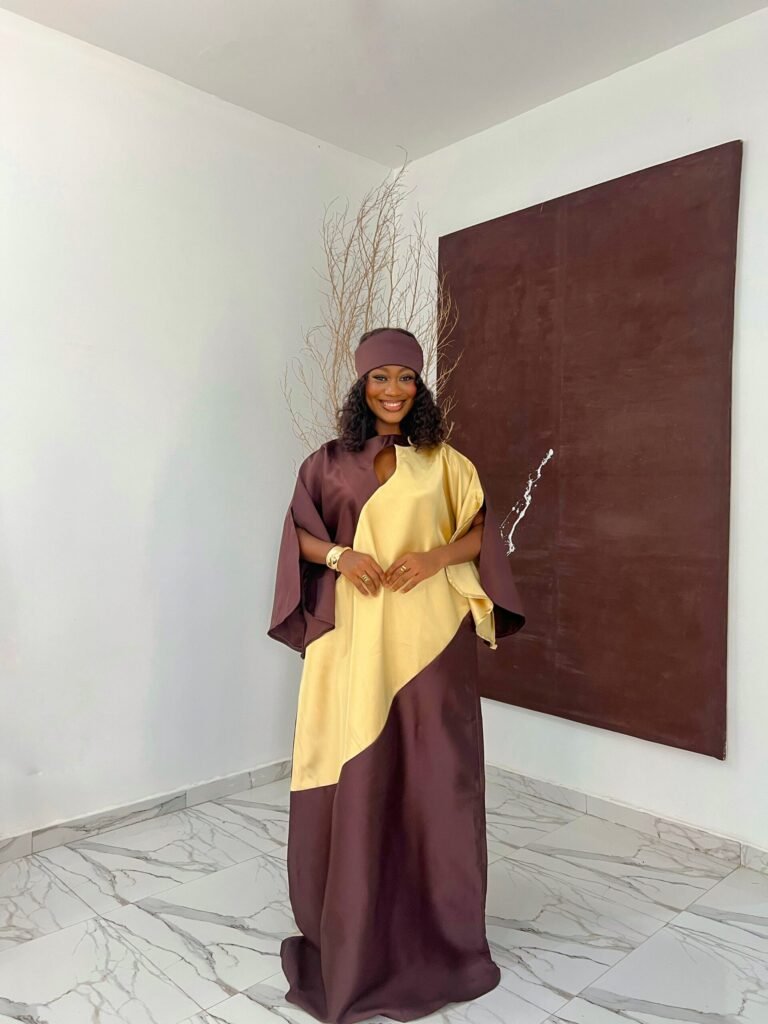
The Bethany Bubu focuses on practical elegance for everyday life. This design considers real-world wearing scenarios: sitting comfortably in various chair types, moving through doorways and vehicles, and maintaining appearance throughout active days.
Practical design elements might include reinforced stress points at underarms and side seams, hem treatments that resist fraying, and fabric selections that clean easily and resist staining. The length is typically carefully calibrated—long enough to maintain the elegant bubu silhouette but short enough to avoid tripping hazards.
These considerations result in garments that perform reliably across diverse situations. The design acknowledges that while fashion should be beautiful, it must also function effectively in the wearer’s actual life. This philosophy particularly appeals to practical-minded women who value both style and functionality.
Fabric composition: Durable cotton blends, easy-care fabrics, stain-resistant treatments when available.
Construction details: Reinforced stress points, practical hem length, quality seam finishing.
Occasions: Daily wear, running errands, casual professional settings, active lifestyles
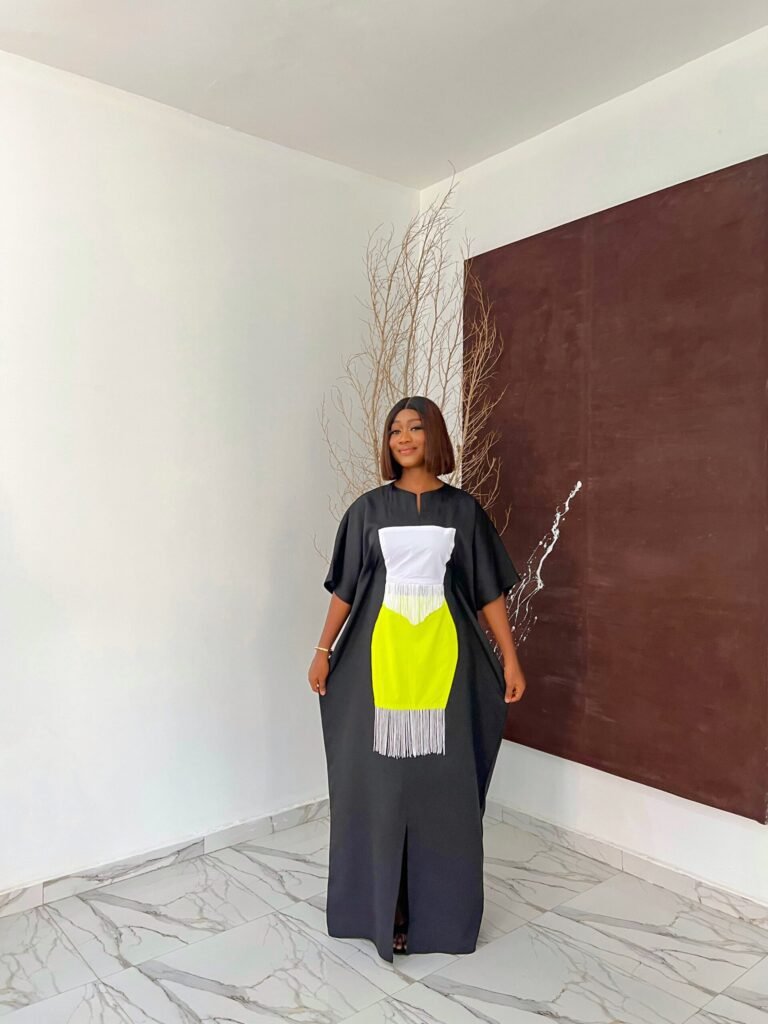
The Biba Kaftan draws inspiration from multiple African and Middle Eastern design traditions, creating a pan-continental aesthetic. Kaftans typically feature more structured sleeve treatments and often include front-opening constructions, distinguishing them from traditional pull-over bubu styles.
This design bridges cultural fashion traditions, incorporating elements from North African and Middle Eastern kaftan construction while maintaining the flowing elegance of West African bubu gown styles. The result appeals to women interested in multicultural fashion expressions and those seeking versatile pieces that work across different cultural contexts.
Construction typically involves more complex pattern pieces than simple bubu designs, with set-in sleeves, collar or neckline treatments that may include binding or facing, and often decorative trim or embroidery along front edges. The front opening can be functional or decorative, sometimes featuring hidden closures for a streamlined appearance.
Fabric composition: Medium-weight cottons, silk blends, or structured fabrics that hold shape.
Construction details: More tailored construction, possible front opening, collar or neckline treatments.
Occasions: Cultural events, multicultural settings, versatile social functions
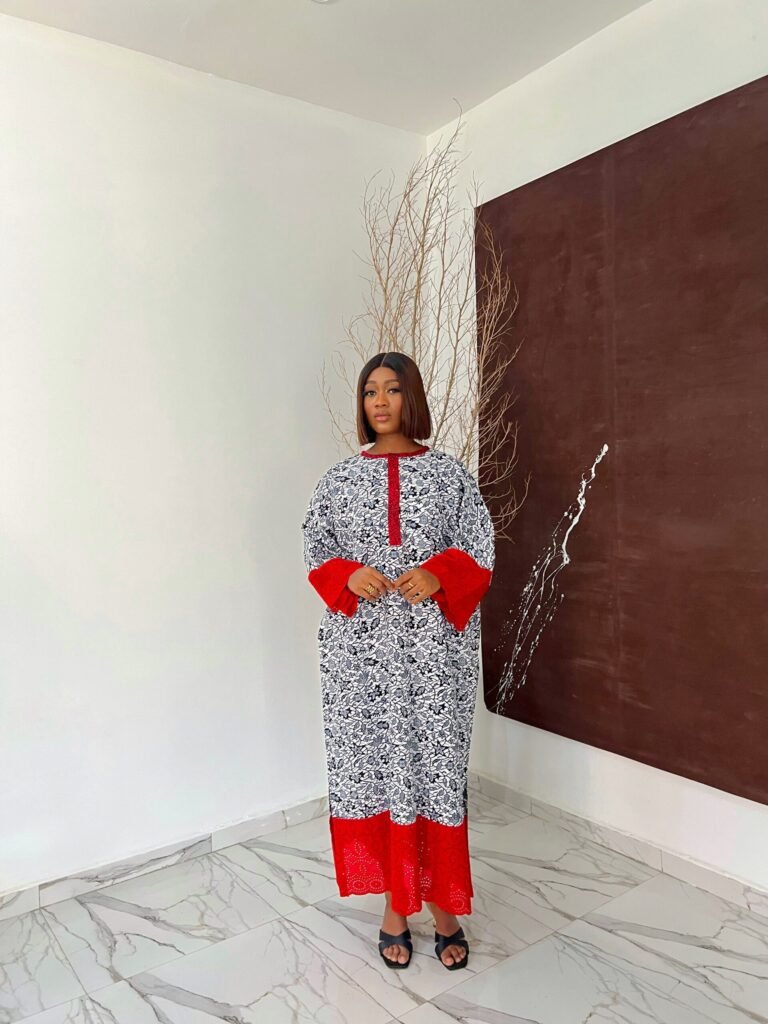
The Bibi Lace incorporates delicate lace materials that add texture and visual complexity to bubu gown styles. Lace work in African fashion carries particular significance, representing craftsmanship and attention to detail valued in formal occasions.
Working with lace requires specialized skills. The directional nature of many lace patterns demands careful pattern layout to ensure motifs align attractively. Transparent lace typically requires underlining with complementary fabrics, adding complexity to construction. Seaming techniques must be adapted because standard construction methods may show through the open weave.
The finished garment offers romantic sophistication through the interplay of opacity and transparency. Strategic underlining decisions create modesty where needed while allowing the lace pattern to shine in other areas. The textile choice significantly impacts the garment’s formality level and appropriate occasions.
Fabric composition: Quality lace overlaying solid underlining fabrics, typically in complementary colors.
Construction details: Careful pattern matching, specialized seaming techniques, strategic underlining
Occasions: Romantic events, upscale gatherings, celebrations emphasizing femininity
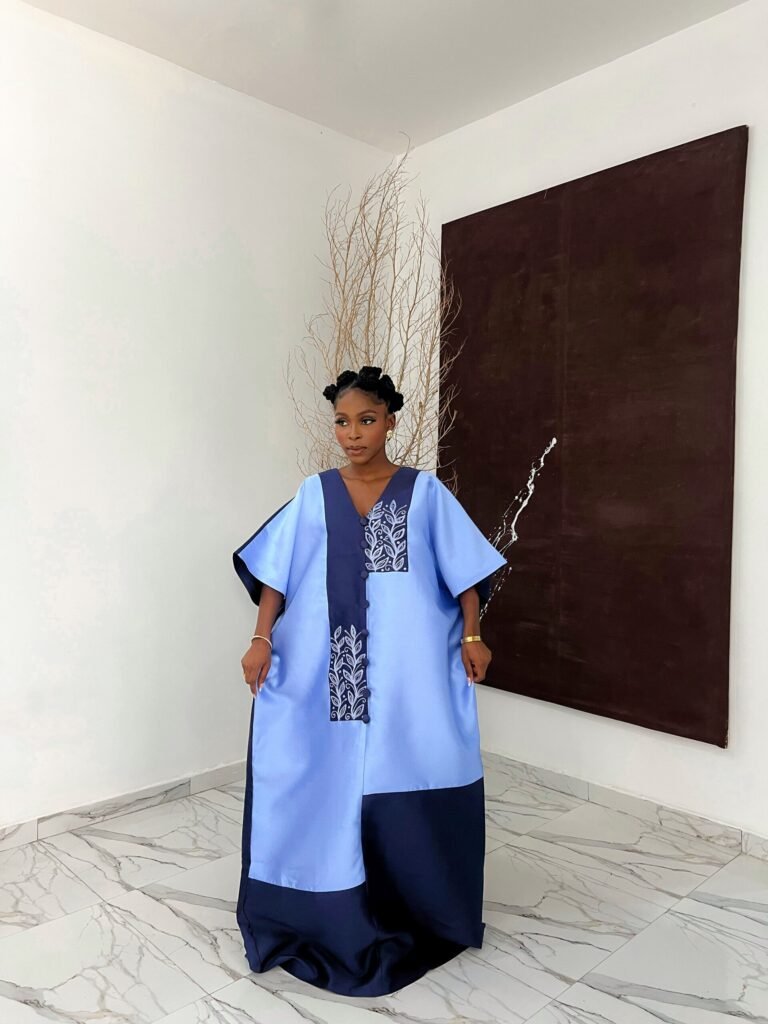
The Blossom Bubu embraces vibrant colors and possibly floral patterns that convey joyful energy. Color psychology plays a significant role in garment selection, and bright, cheerful designs can genuinely impact mood and how others perceive us.
The pattern design might feature floral motifs, bright color blocking, or cheerful print selections that evoke springtime freshness. These design choices work particularly well in celebration contexts where the mood is festive and expressive clothing enhances the overall atmosphere.
From a construction standpoint, working with printed fabrics requires attention to pattern placement—ensuring that attractive motifs fall in flattering locations and avoiding awkward design breaks at seams. Bold patterns can disguise or highlight different body areas depending on placement, making thoughtful pattern layout essential.
Fabric composition: Printed cottons, vibrant solid colors, possibly mixed pattern elements.
Construction details: Strategic pattern placement, color coordination if multi-fabric, quality printing.
Occasions: Celebrations, spring and summer events, mood-lifting wear, joyful gatherings
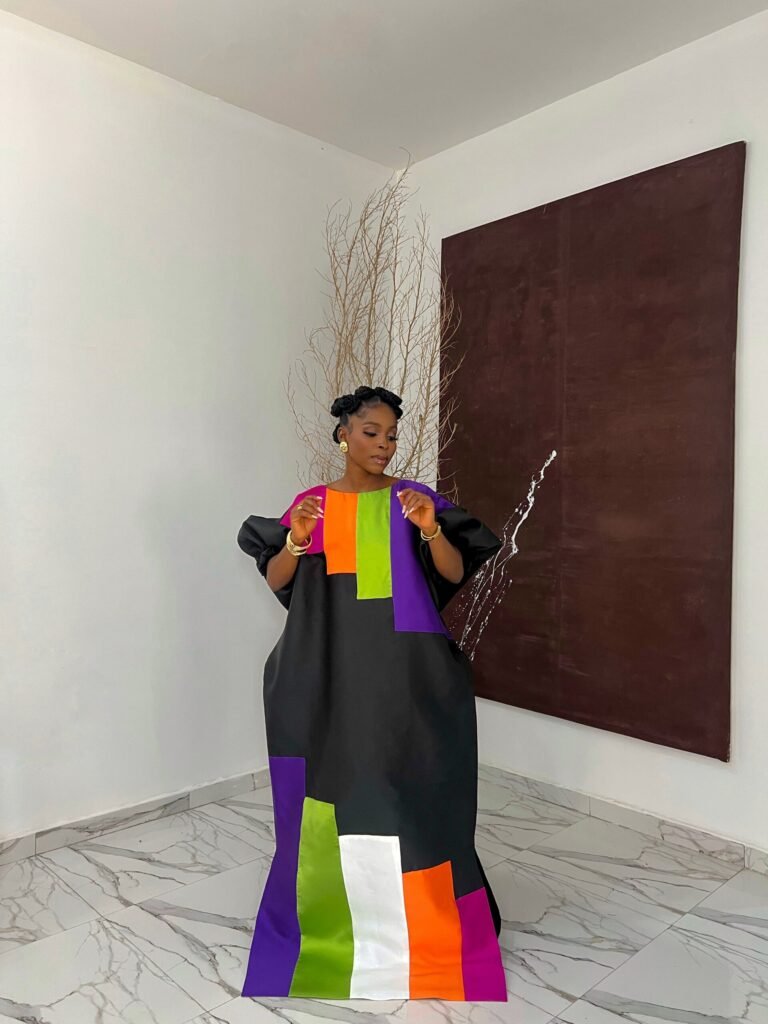
The Claire Bubu represents investment-quality design that transcends temporary trends. These garments focus on timeless proportions, classic colors, and quality construction that ensures longevity both in durability and style relevance.
Timeless design requires restraint—avoiding trendy elements that will date the garment quickly. This might mean classic necklines, traditional colors (black, navy, deep jewel tones, or neutral earths), and quality fabrics that age gracefully. The construction typically involves techniques that ensure structural integrity over years of wear.
Investment pieces justify higher initial costs through extended use periods. A well-made classic design worn regularly over five or ten years offers better value than trendy pieces worn briefly. This approach to bubu gown styles appeals to women building sustainable, long-term wardrobes.
Fabric composition: High-quality natural fibers that age well—premium cotton, silk, or linen
Construction details: Superior construction techniques, reinforced stress points, quality seam finishes.
Occasions: Formal occasions, professional events, situations requiring refined elegance
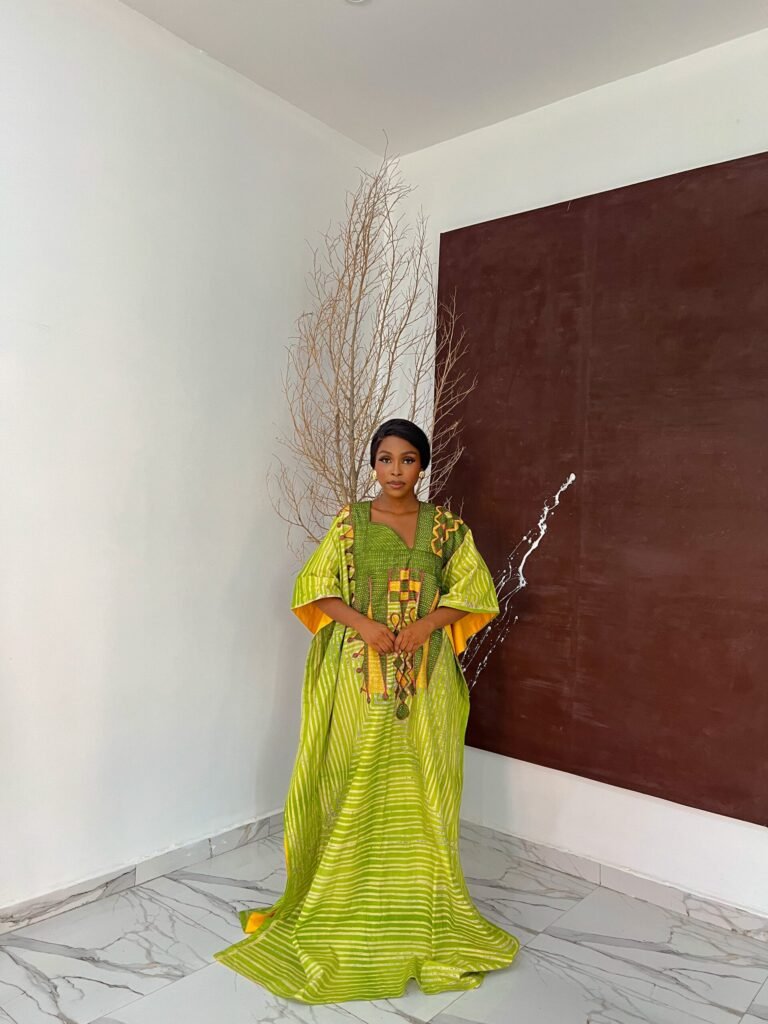
The Dabira Bubu celebrates individual style expression through distinctive design choices that reflect personal aesthetic. Fashion serves as a form of communication, and designs like this allow wearers to express personality, values, or cultural affiliations through clothing choices.
Distinctive elements might include unique embroidery patterns, unexpected color combinations, innovative structural details, or incorporation of traditional symbols that carry personal meaning. At Tailored by Adunni, we recognize that fashion should accommodate individual expression within cultural frameworks.
These personalized elements require additional planning and often custom work. Hand embroidery takes significant time, custom color combinations may require special fabric sourcing, and unique structural elements demand pattern development. The result, however, creates truly one-of-a-kind pieces.
Fabric composition: Varies based on design vision, may include specialty or custom-dyed fabrics.
Construction details: Possibly custom pattern development, hand-work elements, unique finishing.
Occasions: Personal milestone events, situations where individual expression is valued. Also good for pregnant women who loves to wear bubu gown styles for pregnant women.
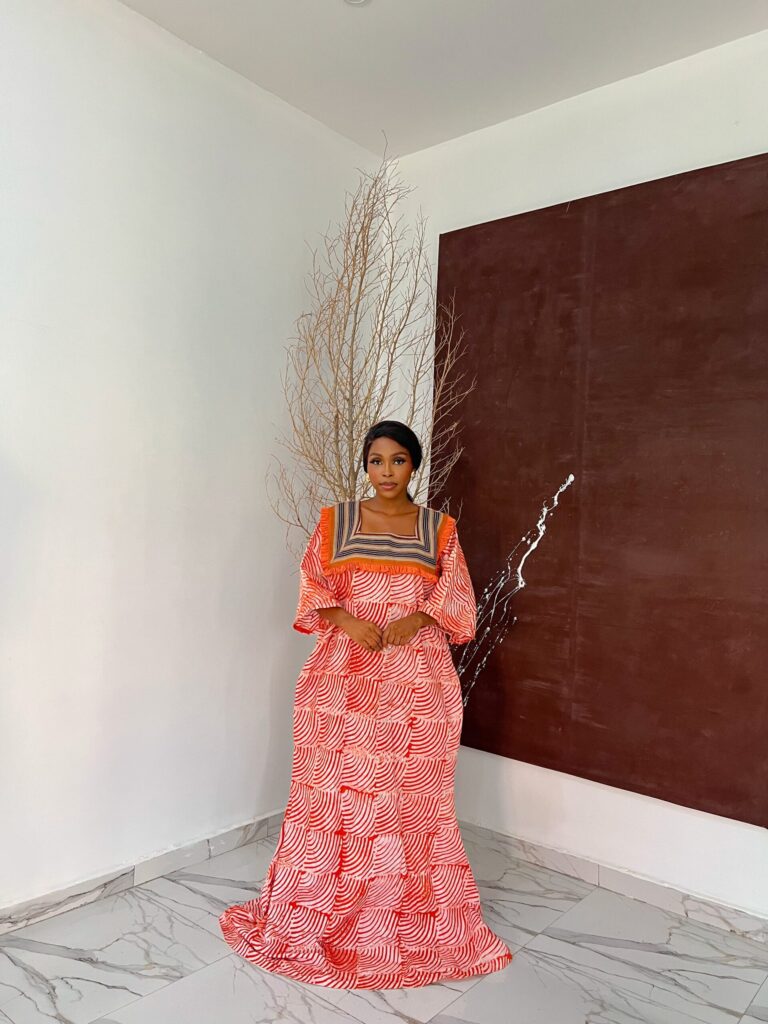
The Diana Bubu embodies regal presence through carefully considered proportions and luxurious fabric choices. The design acknowledges that clothing influences how we carry ourselves, and certain garments naturally encourage confident, upright posture.
Regal aesthetics typically involve fuller volumes that create impressive silhouettes, rich colors associated with nobility (deep purples, royal blues, rich burgundies), and quality craftsmanship visible in details. The drape and movement of the fabric contribute significantly—materials should flow gracefully with movement, creating elegant lines.
Construction details supporting regal aesthetics might include weighted hems that improve drape, structured shoulder areas that enhance posture, and proportions that create commanding presence without overwhelming the wearer. These technical elements work subtly to create the desired psychological and visual effect.
Fabric composition: Luxurious fabrics with excellent drape—silk, heavy satin, premium cotton sateen
Construction details: Attention to drape and movement, possibly weighted hems, proportions creating presence
Occasions: Leadership events, formal occasions, situations requiring commanding presence
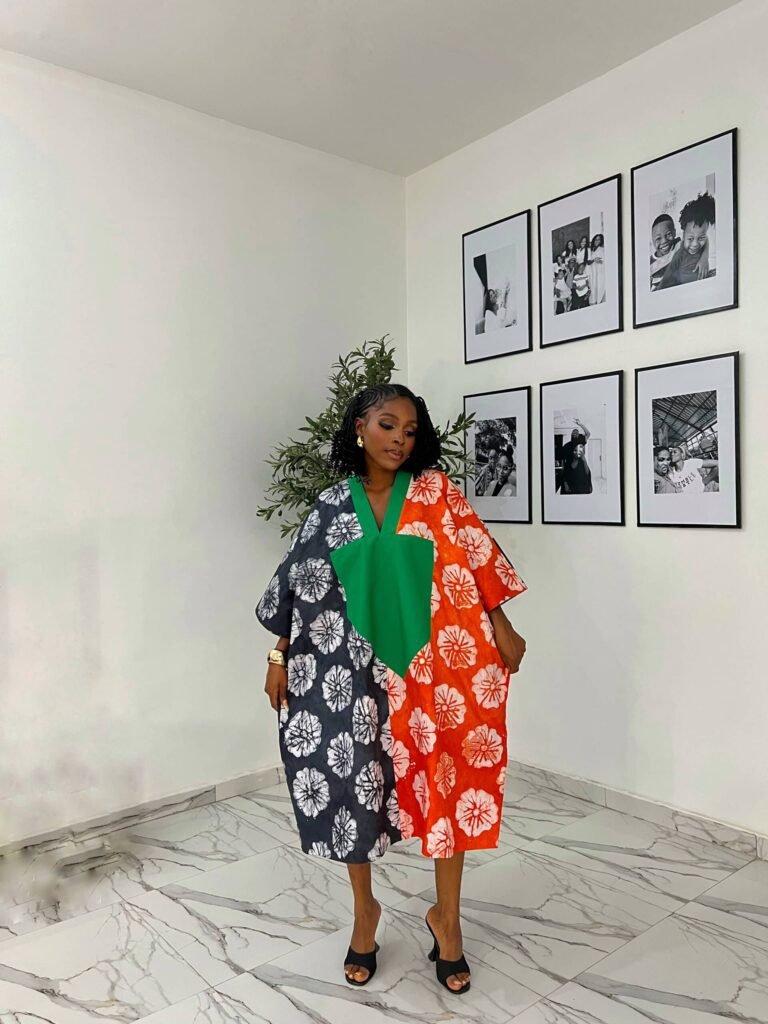
The Diva Bubu makes unapologetic style statements through bold design choices. This approach to bubu gown styles embraces fashion’s theatrical potential, creating garments that capture attention and make memorable impressions.
Bold design might manifest through dramatic color choices (metallics, bold contrasts, or unexpected combinations), exaggerated proportions (particularly full sleeves or dramatic hemlines), or eye-catching embellishments. These elements work together to create fashion impact that commands attention in any setting.
Wearing bold fashion requires confidence, and interestingly, the reverse is also true—wearing confident clothing can boost personal confidence. The psychological relationship between clothing choices and self-perception makes pieces like this valuable beyond their aesthetic impact.
Fabric composition: Fabrics with visual impact—metallics, bold prints, rich textures, or high-sheen materials
Construction details: Dramatic proportions, possible exaggerated elements, attention-getting details
Occasions: High-profile events, fashion-forward settings, situations where making impressions matters
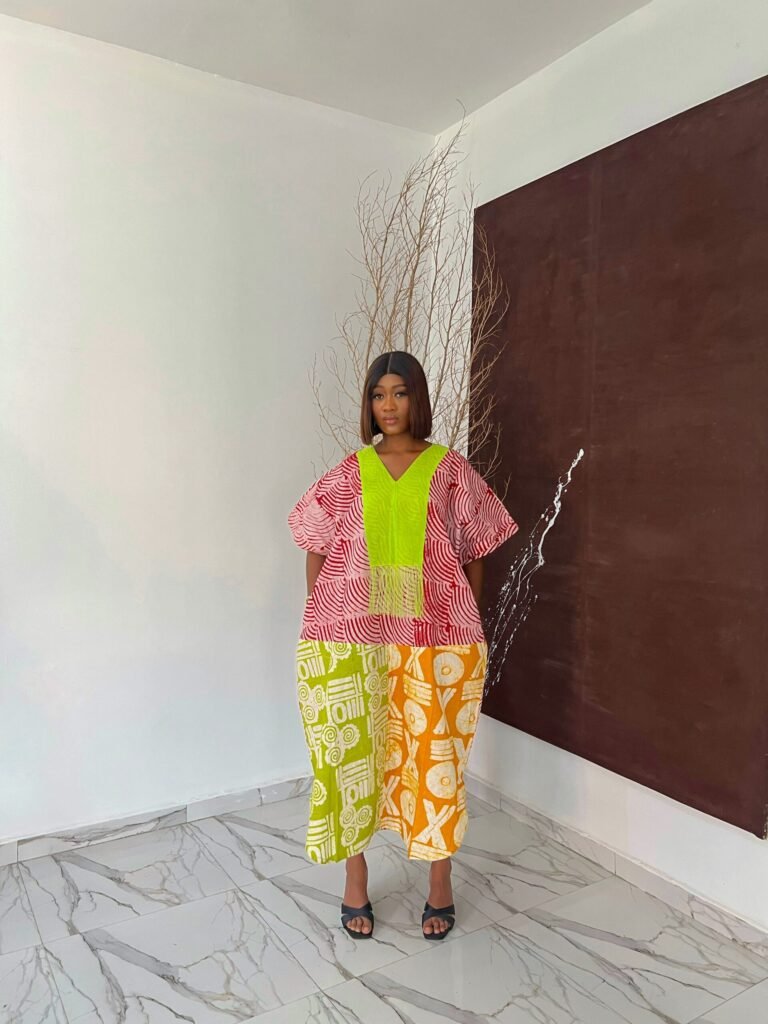
The Dora Adire Mix celebrates Nigerian textile heritage through authentic adire fabric integration. Adire represents traditional Yoruba resist-dyeing techniques, creating intricate patterns with deep cultural significance.
Traditional adire production involves labor-intensive processes: tying, stitching, or applying starch resist before indigo dyeing. Each technique creates characteristic pattern types—adire oniko (tied resist), adire eleko (starch resist), or adire alabere (stitched resist). Modern interpretations may use screen printing to recreate traditional patterns more efficiently.
Incorporating traditional textiles into contemporary bubu gown styles preserves cultural techniques while making them relevant to modern life. This approach supports traditional artisans economically while introducing younger generations to heritage crafts. The mix concept often pairs adire sections with complementary solid fabrics, creating visual interest while making expensive handmade textiles go further.
Fabric composition: Authentic or reproduction adire combined with complementary solid cottons
Construction details: Strategic pattern placement, consideration of adire pattern direction, quality seaming
Occasions: Cultural celebrations, heritage events, supporting traditional crafts, meaningful gifting
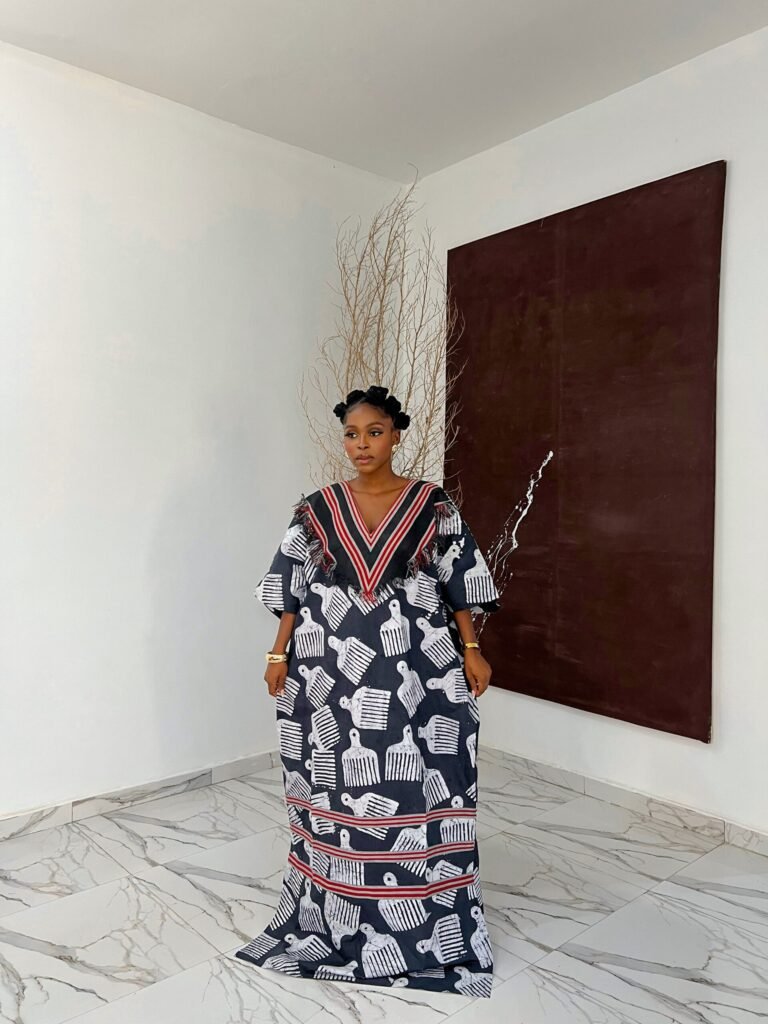
The Dunke Bubu showcases superior craftsmanship through meticulous construction techniques. As a women’s RTW clothing brand in Ikeja Lagos, we emphasize quality construction that ensures garment longevity and wearing satisfaction.
Quality craftsmanship manifests in numerous details: perfectly aligned seams, consistent stitch length, appropriate seam allowances that prevent fraying, properly set sleeves without puckering, and hems that hang evenly. These technical elements may not be immediately obvious but significantly impact how the garment wears and lasts.
Interior finishing matters as much as exterior appearance. French seams, bound seam allowances, or properly serged edges prevent fraying and add durability. Button and fastener attachment should withstand repeated use. These details distinguish well-made garments from hastily constructed ones.
Fabric composition: Quality fabrics that showcase construction—medium-weight cottons or blends
Construction details: French seams or quality finishing, careful pressing, attention to all technical details
Occasions: Any setting where quality matters, investment wardrobe building.
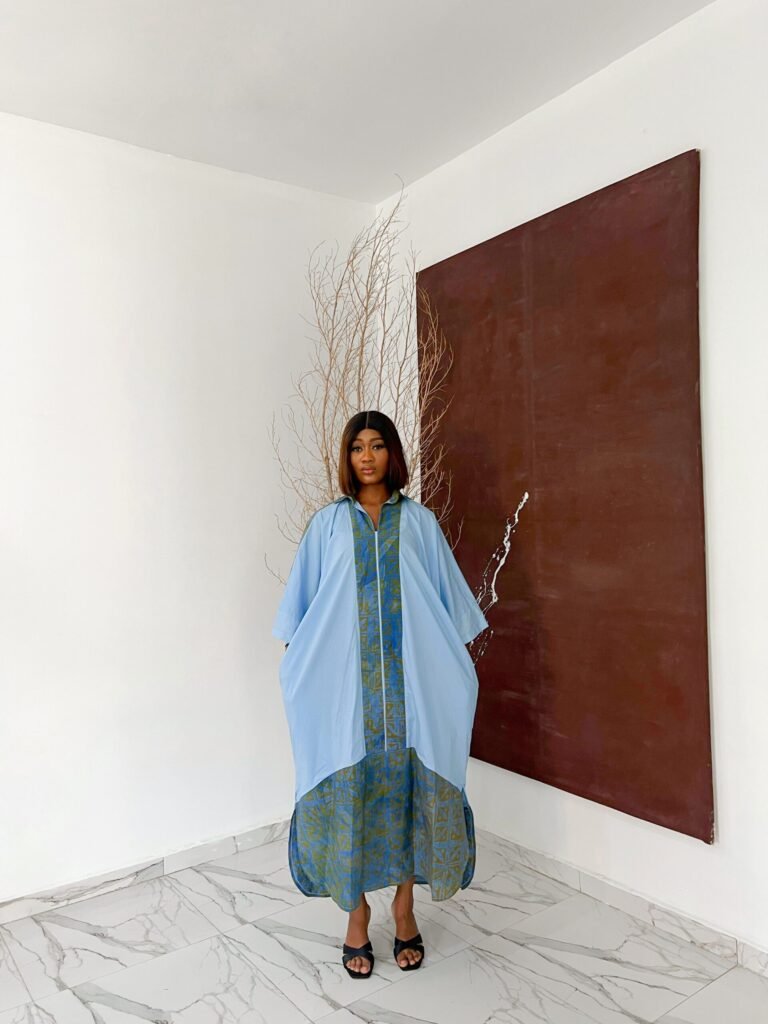
The Dunni Bubu represents our signature approach to balancing tradition, quality, and contemporary styling. This design encapsulates our philosophy at Tailored by Adunni: respecting cultural heritage while meeting modern lifestyle needs.
Signature pieces typically incorporate elements that reflect brand identity: specific construction techniques, preferred fabric types, or design details that repeat across collections. These recognizable elements create brand coherence while allowing variation within the collection.
The value of signature designs lies in their representativeness. When customers discover our brand values through one signature piece and appreciate them, they’re more likely to explore other offerings. These designs serve as brand ambassadors, communicating our approach to quality, style, and cultural authenticity.
Fabric composition: Premium quality fabrics that represent our standards
Construction details: Signature techniques reflecting our craftsmanship approach
Occasions: Representing brand values, establishing wardrobe foundations, gift purchases
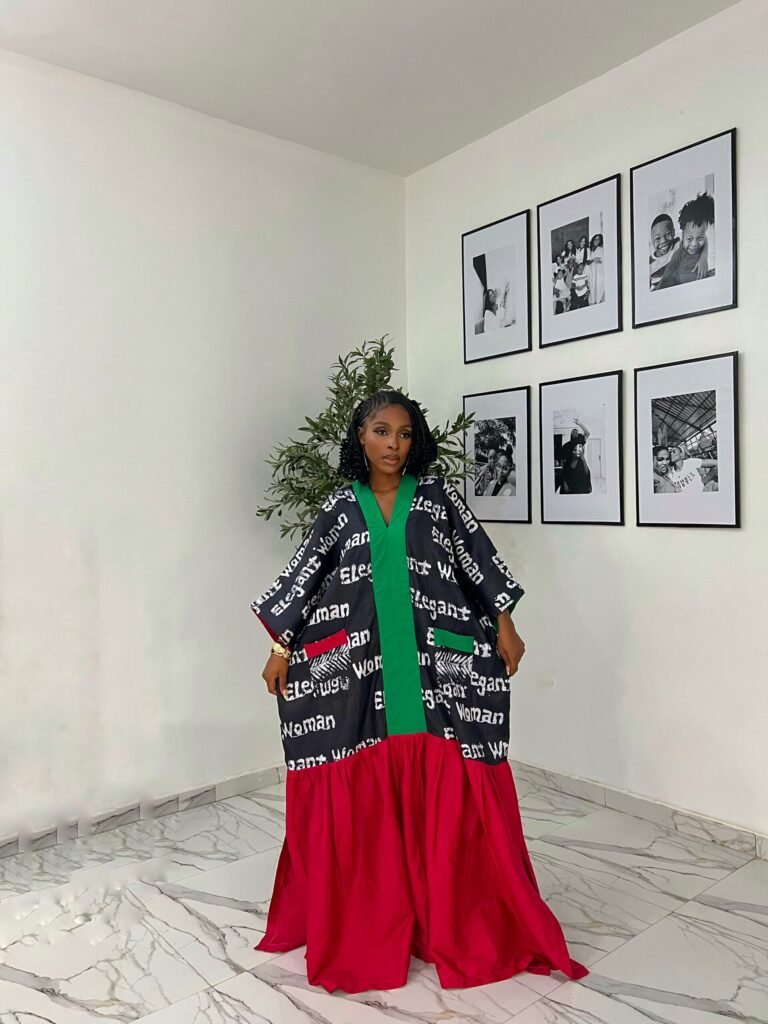
The Elegant Woman Bubu addresses the style needs of mature, sophisticated women who value refined elegance. This design philosophy recognizes that different life stages bring different style preferences and requirements.
Sophisticated styling typically involves restrained design elements, classic proportions, and quality materials that speak for themselves without requiring obvious decoration. The color palette often leans toward refined neutrals or jewel tones that complement mature complexions. The garment length and proportions consider changing body shapes while maintaining flattering lines.
Construction for sophisticated designs emphasizes comfort alongside elegance. This might mean slightly more relaxed fits that don’t cling, thoughtful pocket placement for practical needs, and fabric selections that offer ease of movement. The goal is elegant functionality that supports active, engaged lifestyles.
Fabric composition: Quality natural fibers in sophisticated colors—silks, premium cottons, refined blends
Construction details: Classic proportions, possibly slightly relaxed fit, refined finishing details
Occasions: Professional leadership contexts, mature social settings, refined gatherings
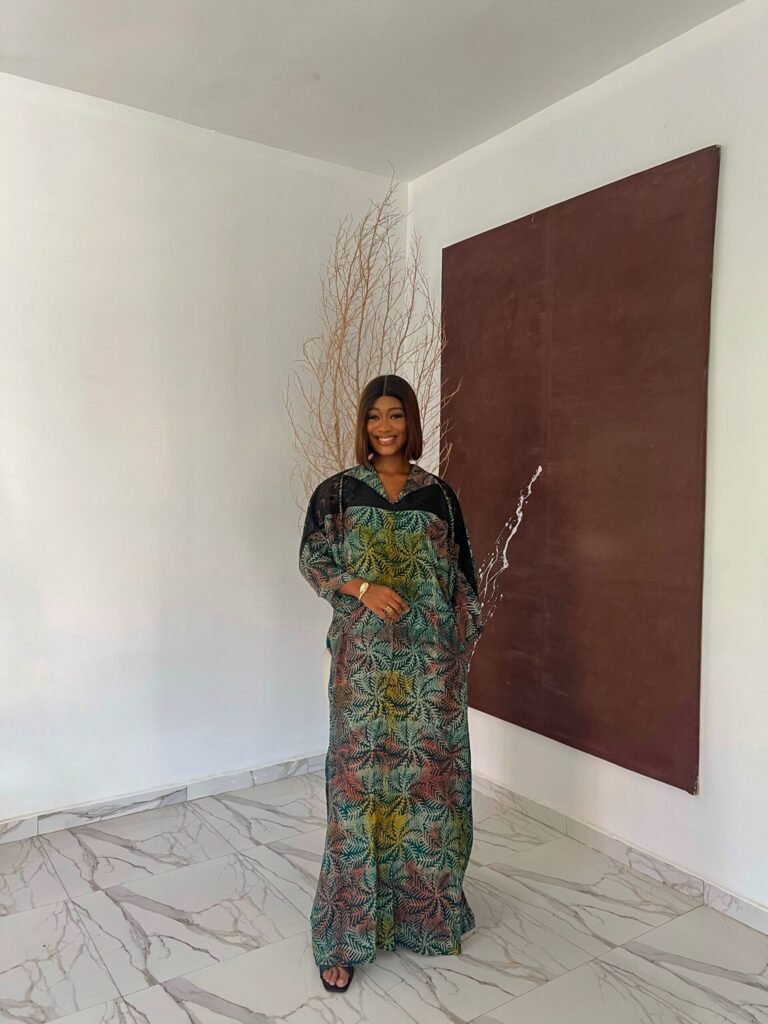
The Elisa Bubu prioritizes sustained comfort for extended wearing periods. This design recognizes that some occasions require looking polished for many hours, and clothing should support rather than hinder extended wear.
All-day comfort involves multiple considerations: fabrics that breathe and don’t trap heat, construction that doesn’t bind or restrict movement, proportions that look appropriate when sitting and standing, and minimal special care requirements during wear. The garment should maintain appearance despite normal body movements and environmental exposure.
Fabric weight matters significantly for extended wear. Too heavy becomes exhausting, while too light may wrinkle excessively or fail to drape properly. The ideal weight provides structure without burden. Fiber content affects breathability—natural fibers generally perform better than synthetics for long wear periods.
Fabric composition: Breathable natural fibers in moderate weights—cotton blends, rayon, or bamboo
Construction details: Non-restrictive fit, strategic ease allowances, wrinkle-resistant fabrics
Occasions: All-day events, travel, conferences, extended social obligations
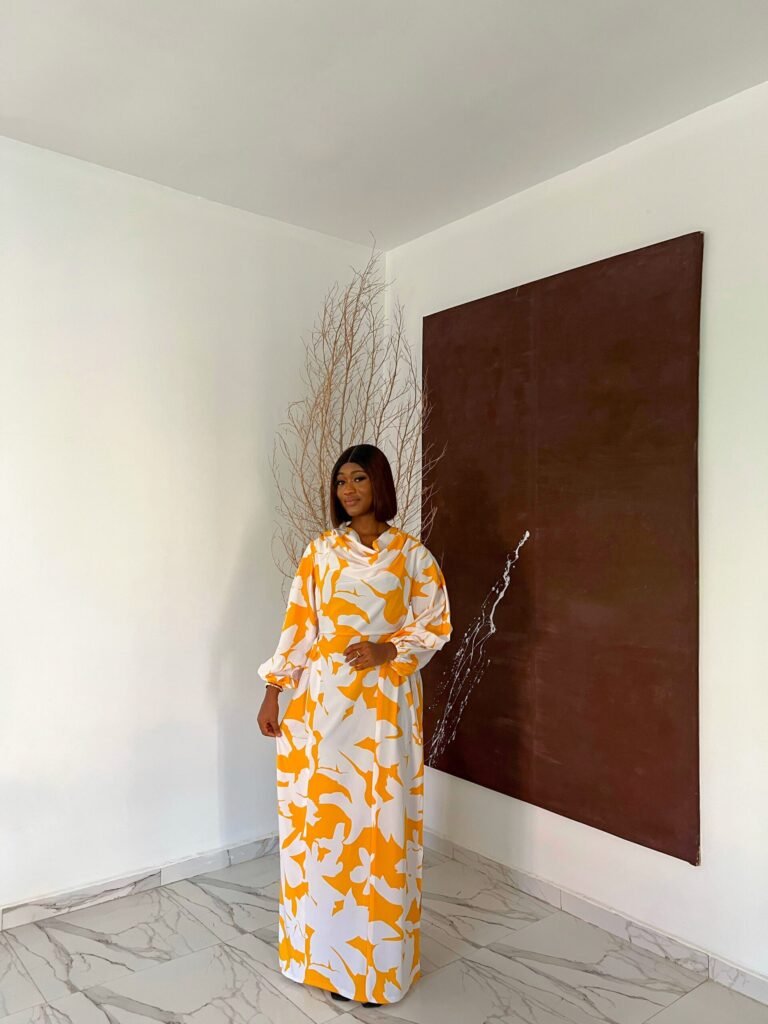
The Floral Dress brings nature-inspired patterns to bubu gown styles. Floral motifs carry universal appeal and psychological associations with growth, renewal, and natural beauty that transcend cultural boundaries.
Floral pattern selection significantly impacts the garment’s overall character. Large, bold florals create dramatic statements and work well on taller frames, while smaller, delicate patterns suit petite proportions. The color palette within floral prints determines formality—soft pastels read as romantic and gentle, while vibrant tropical colors convey energy and boldness.
Construction considerations with printed fabrics include pattern placement and seam matching. Thoughtful layout ensures attractive motifs fall in flattering locations rather than awkward areas. For large-scale prints, matching patterns across seams creates a more refined appearance, though this requires additional fabric and skill.
Fabric composition: Printed cottons, rayons, or blends in various scales and color palettes
Construction details: Strategic pattern placement, possible pattern matching, appropriate print scale
Occasions: Spring and summer events, garden settings, cheerful social gatherings
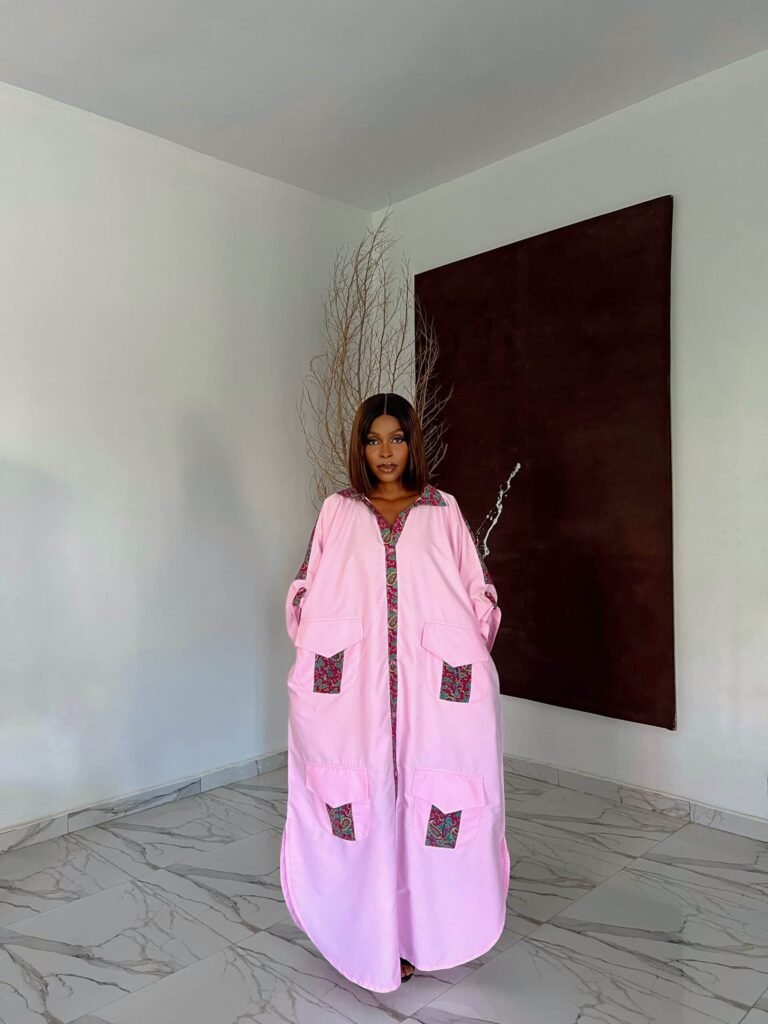
The Gina Dress offers more structure within the flowing bubu aesthetic. This hybrid approach appeals to women who appreciate defined silhouettes while valuing the comfort and cultural significance of bubu gown styles.
Structural elements might include princess seaming that provides gentle shaping, waist definition through darts or elastic channels, or modified sleeve construction that creates a more tailored appearance. These techniques add shape without requiring tight fitting, maintaining comfort while offering more defined lines.
The balance between structure and flow requires careful pattern development. Too much structure defeats the bubu philosophy of comfortable ease, while too little leaves the garment shapeless. The sweet spot provides enough definition to create flattering lines while preserving movement ease.
Fabric composition: Fabrics with body that hold shape—structured cottons, light denim, or stable blends Construction details: Princess seams or darts, possible waist definition, more tailored sleeve treatments
Occasions: Professional settings, semi-formal events, situations requiring defined silhouettes
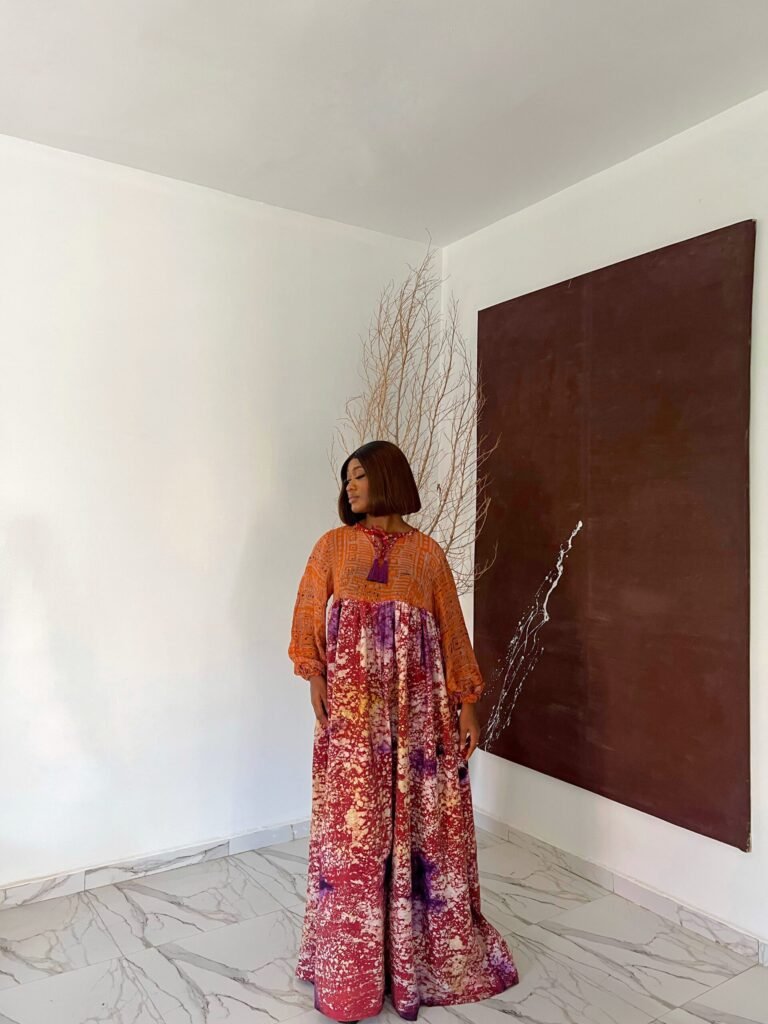
The Hanan Bubu draws inspiration from North African and Middle Eastern aesthetics, demonstrating the pan-continental appeal of flowing garment styles. This design bridges different cultural traditions within the broader African and Islamic fashion landscape.
Cross-cultural design elements might include specific embroidery patterns common in North African traditions, color combinations characteristic of different regions, or structural details like sleeve treatments or neckline styles from various cultural sources. These elements combine to create garments with broad cultural resonance.
The approach respects diverse traditions while creating cohesive designs. This requires cultural knowledge and sensitivity, understanding which elements combine harmoniously and which traditions should remain distinct. The result celebrates cultural diversity while creating wearable, beautiful garments.
Fabric composition: May reflect various regional preferences—heavier cottons, silk blends, or textured weaves
Construction details: Cross-cultural design elements, possibly embroidery or trim from multiple traditions
Occasions: Multicultural events, international gatherings, cultural exchange settings
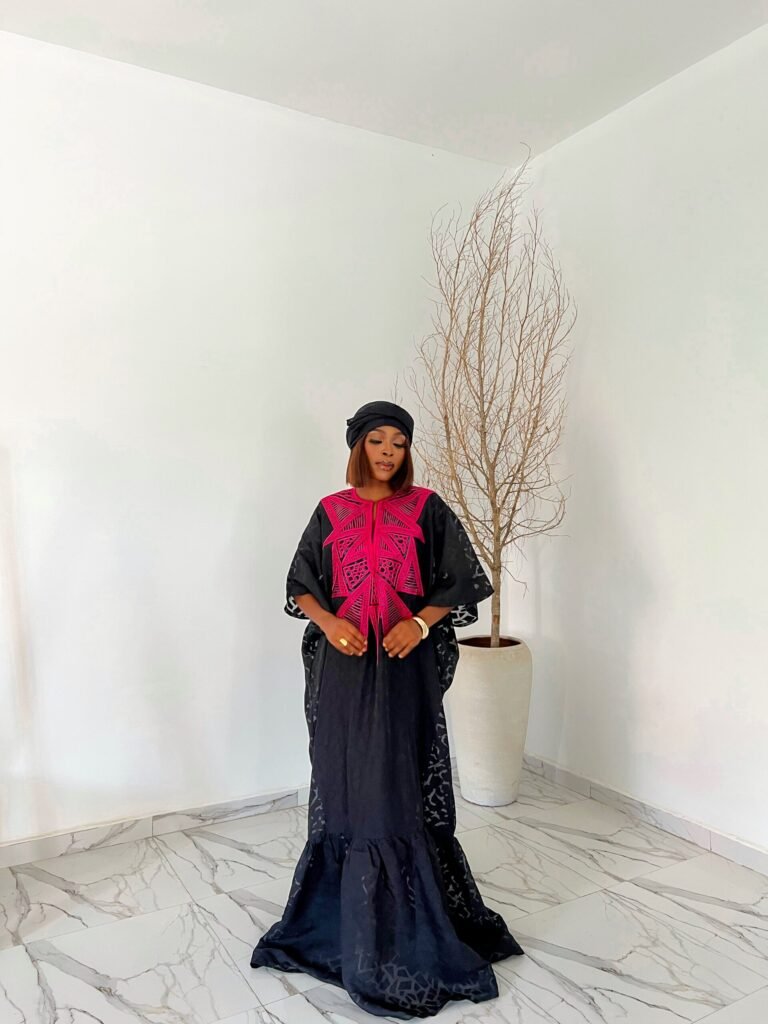
The Iris Bubu emphasizes artistic color work and creative design elements. Color theory plays a crucial role in fashion, and this design explores how different hues interact to create emotional and visual impact within bubu gown styles.
Artistic approaches might involve color blocking that creates abstract compositions on the body, gradient effects that transition smoothly between shades, or unexpected color combinations that challenge conventional pairings. These choices require understanding how colors interact—complementary colors create vibration and energy, while analogous colors provide harmony and flow.
The construction must support the artistic vision. Seam placement becomes part of the design, dividing color sections intentionally. Pattern pieces may be strategically shaped to create specific visual effects. The technical execution serves the artistic concept, requiring both design vision and construction skill.
Fabric composition: Solid color fabrics in coordinated or contrasting palettes
Construction details: Strategic seam placement, color blocking techniques, precise color matching
Occasions: Creative events, art exhibitions, fashion-forward gatherings, self-expression contexts
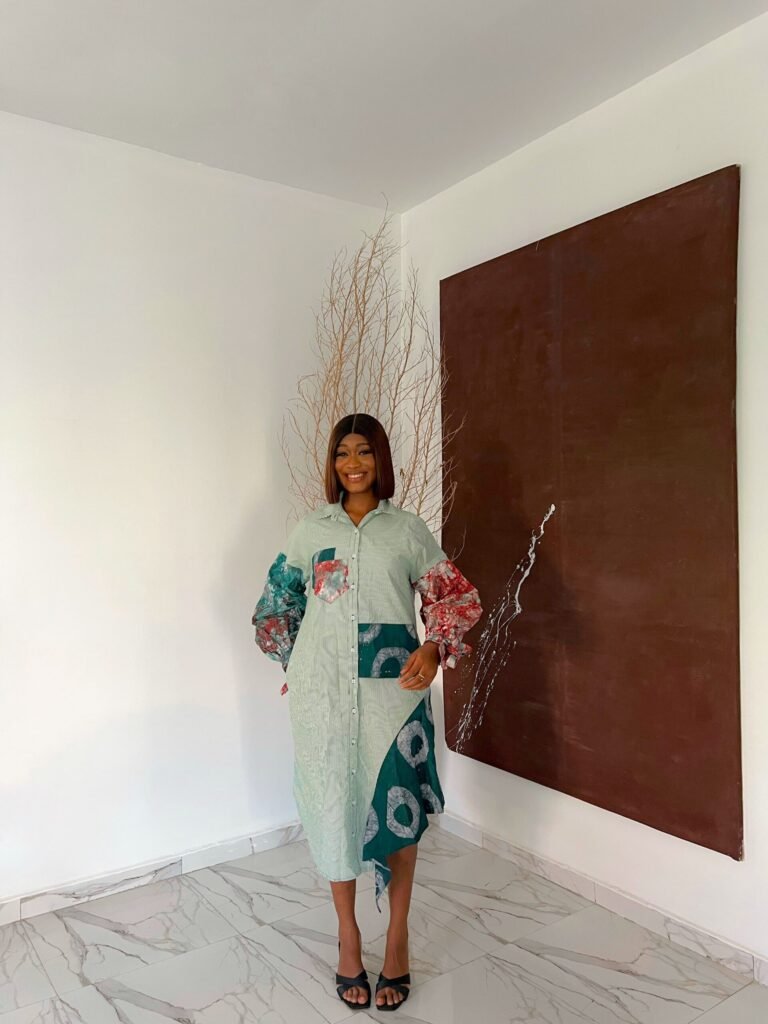
The Jada Shirt Dress merges the casual accessibility of shirt styling with traditional bubu proportions. This hybrid creates approachable elegance that works particularly well in contemporary casual settings while maintaining African fashion roots.
Shirt dress elements typically include button front closures (functional or decorative), collar treatments adapted to the bubu silhouette, and possibly pocket details that reference casual shirt construction. These familiar elements make the design accessible to those new to African fashion while offering comfortable styling to regular wearers.
The construction combines techniques from both shirt-making and traditional garment construction. Setting collars requires precision work, button placement must be carefully calculated for proper front overlap, and integrating these structured elements into flowing proportions demands pattern-making skill.
Fabric composition: Cotton or cotton-blend fabrics appropriate for casual wear
Construction details: Collar setting, button placement and finishing, integrating casual details with flowing silhouette
Occasions: Casual professional settings, weekend outings, relaxed social gatherings, everyday elegance
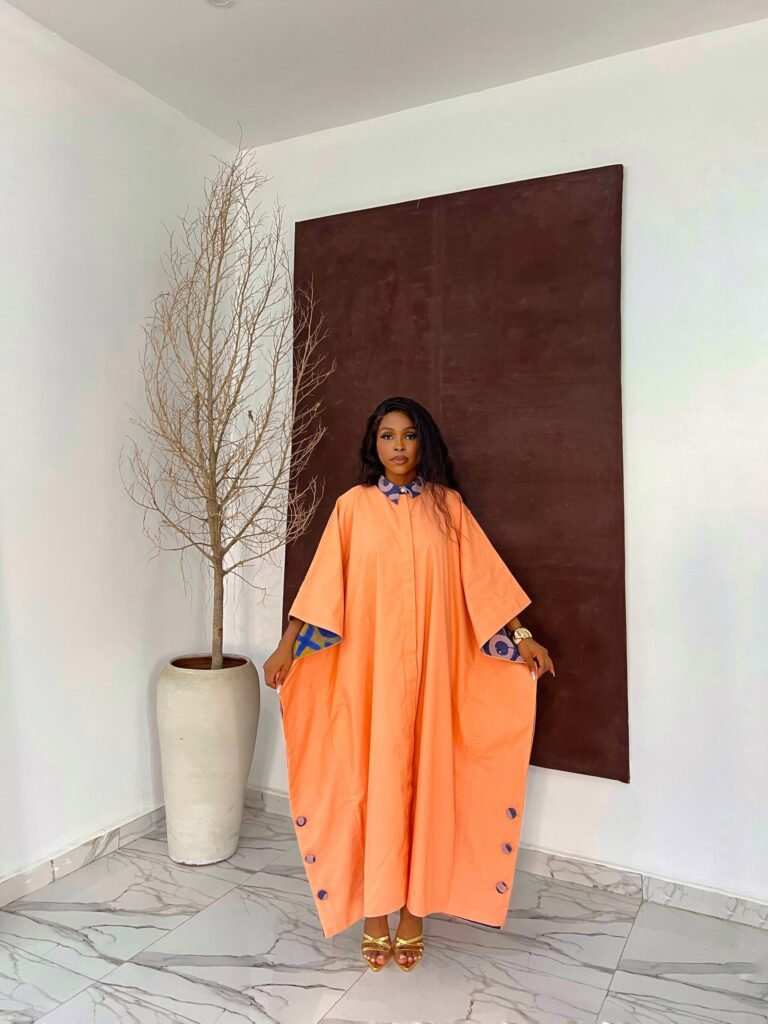
The Joba Bubu embraces bold design decisions that create confident fashion statements. This approach recognizes that clothing choices can influence and reflect personal confidence, creating a positive feedback loop between appearance and self-perception.
Bold elements might include dramatic colors, unexpected proportions, or distinctive details that set the garment apart. These choices require commitment from the wearer—bold fashion works best when worn with confidence that matches the garment’s energy. The design provides that confidence through its distinctive character.
Construction for statement pieces often involves more complex pattern work, careful balance of proportions to prevent overwhelming the wearer, and quality execution that ensures bold design choices appear intentional rather than accidental. Every detail must support the overall bold aesthetic.
Fabric composition: Fabrics that support bold statements—vibrant colors, rich textures, or dramatic prints
Construction details: Balanced proportions despite bold elements, quality construction supporting design vision
Occasions: Events where making impressions matters, fashion-forward settings, confident self-expression
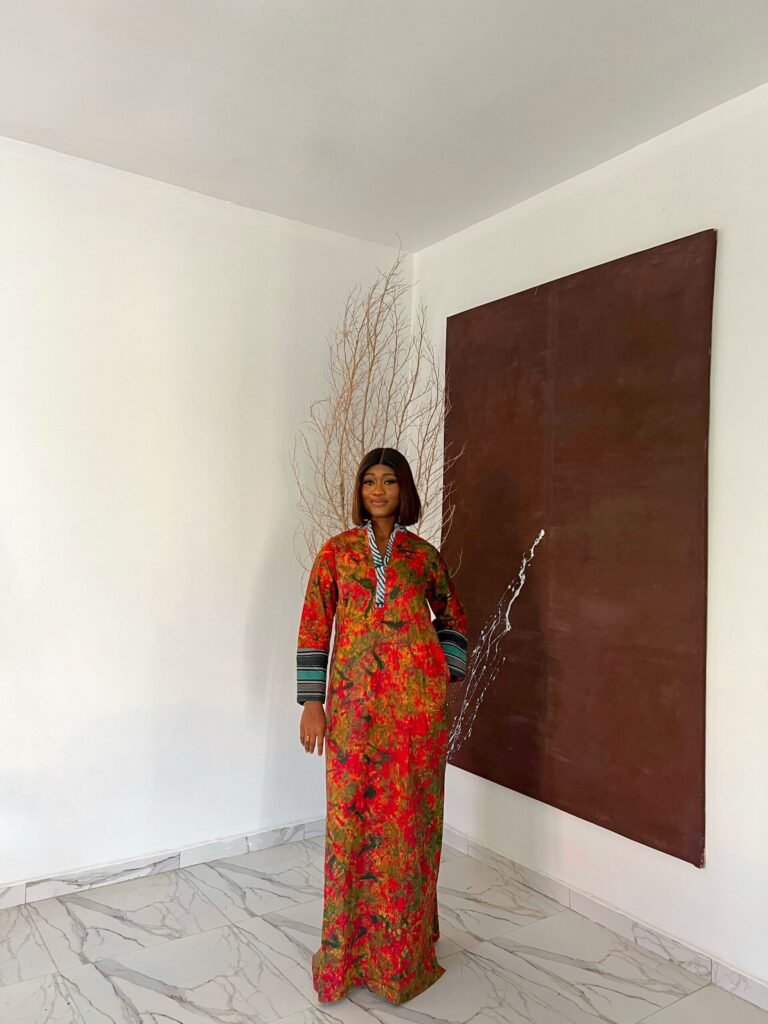
The Jola Dress represents contemporary refinement through carefully considered design details and proportions. This approach to bubu gown styles acknowledges current fashion trends while maintaining the timeless elements that give these garments enduring appeal.
Contemporary refinement involves understanding current silhouette preferences, popular color palettes, and trending details, then incorporating these elements thoughtfully rather than following trends blindly. The goal creates garments that feel current without being so trendy they quickly date.
Pattern development for refined designs requires precision. Proportions must be exactly right—sleeve length, garment length, neckline positioning all matter significantly. Small adjustments in these measurements can shift a design from dated to contemporary or from contemporary to cutting-edge.
Fabric composition: Current fabric trends—could be sustainable materials, innovative blends, or textured naturals
Construction details: Contemporary proportions, current detail treatments, refined finishing
Occasions: Fashion-conscious settings, contemporary events, trend-aware gatherings
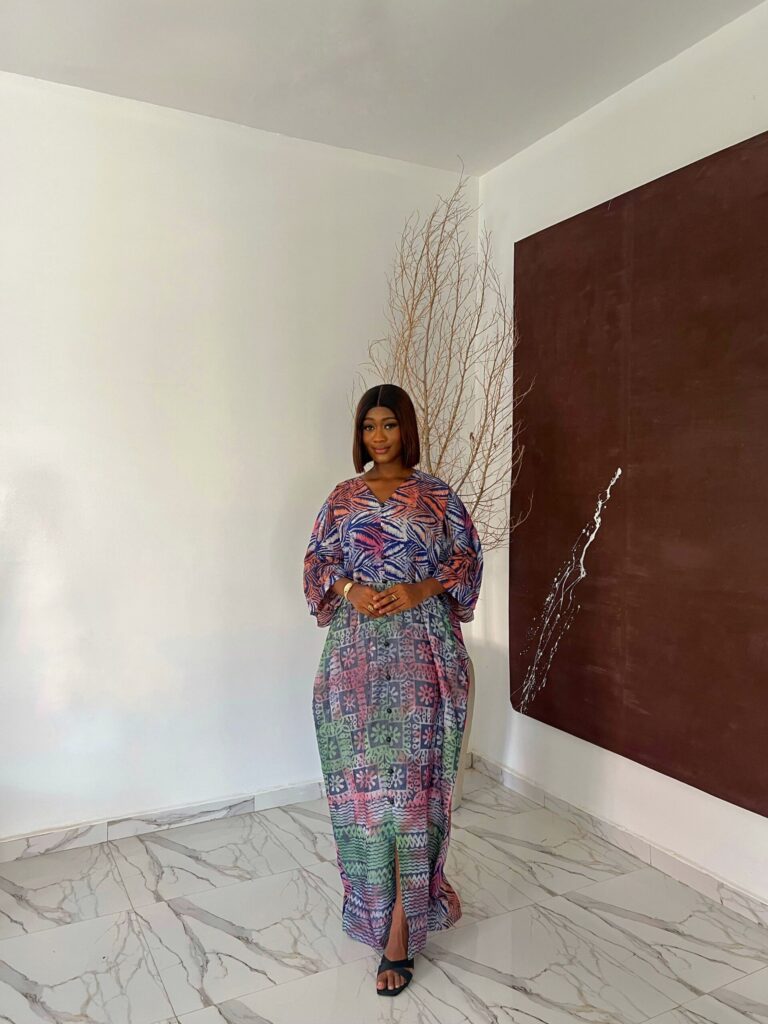
The Karen Bubu serves as a versatile wardrobe foundation piece. Foundation garments work across multiple occasions, coordinate easily with various accessories, and provide styling options that adapt to different needs throughout their wearing life.
Versatility comes from balanced design choices—not too formal or casual, moderate colors that coordinate broadly, and classic proportions that work across body changes and style evolutions. These garments justify their wardrobe space by functioning in numerous contexts rather than serving single purposes.
The construction emphasizes durability since foundation pieces see frequent wear. Quality seaming, appropriate interfacing, and careful finishing ensure the garment maintains appearance and structure through repeated wearing and cleaning cycles. Investment in construction quality pays dividends in extended garment life.
Fabric composition: Durable, easy-care fabrics in versatile colors
Construction details: Quality construction for durability, classic proportions, versatile styling potential
Occasions: Multiple contexts—professional, social, casual, and semi-formal settings
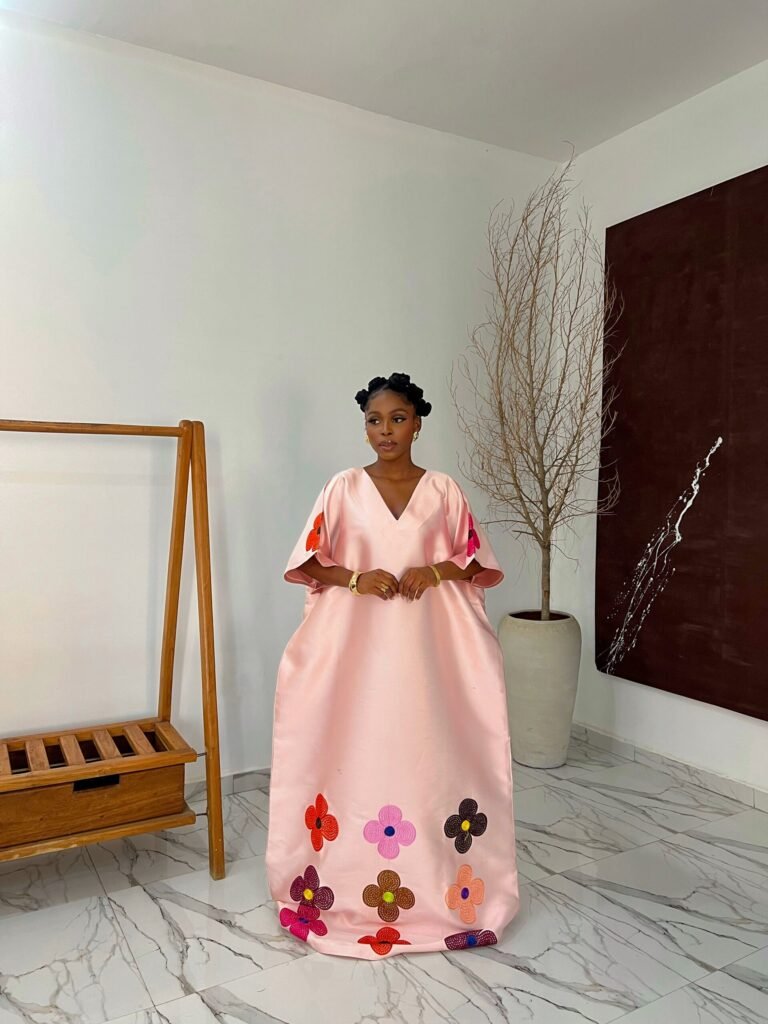
The Laverna Bubu represents premium quality through luxurious fabric selection and exceptional construction standards. This design demonstrates how bubu gown styles can achieve luxury status through material quality and craftsmanship rather than excessive embellishment.
Luxury fabrics provide distinctive tactile and visual qualities—silk’s lustrous drape, fine cotton’s smooth hand, or premium linen’s crisp elegance. These materials require specialized handling during construction. Silk needs sharp needles and appropriate thread to prevent snags, linen requires careful pressing, and fine cottons show poor seaming quality more readily than lesser materials.
The construction standards for premium pieces exceed standard requirements. Every seam must be perfectly straight, all pattern matching precise, and finishing details impeccable. Hand-finishing techniques might be employed for elements like hems or closures. These elevated standards justify premium positioning.
Fabric composition: Luxury natural fibers—silk, premium cotton, fine linen, or sophisticated blends
Construction details: Exceptional seaming, possible hand-finishing, meticulous attention to every detail
Occasions: Premium events, luxury settings, special celebrations, investment purchases
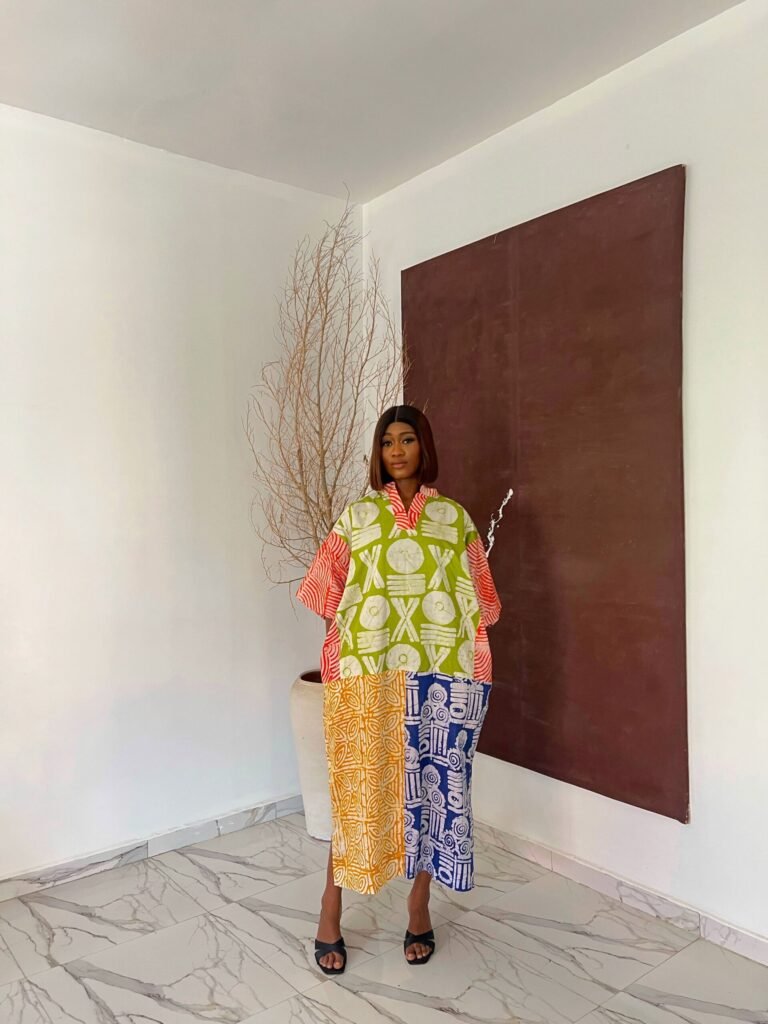
The Layo Adire Mix continues exploring traditional Nigerian textile integration within contemporary bubu gown styles. Each adire piece carries cultural significance, with specific patterns often holding symbolic meanings within Yoruba culture.
Traditional adire patterns include designs like ibadandun (life is sweet), olokun (sea goddess), and various geometric patterns that reference natural elements, proverbs, or cultural concepts. Understanding these meanings adds depth to wearing these garments—they become cultural communication, not merely decoration.
The mix approach strategically combines valuable handmade textiles with complementary solid fabrics, making traditional materials economically accessible while supporting artisan communities. This construction method respects the labor-intensive production process while creating wearable contemporary fashion.
Fabric composition: Traditional or reproduction adire with complementary solid cottons in coordinating colors
Construction details: Respectful handling of traditional textiles, strategic pattern placement, cultural sensitivity
Occasions: Cultural pride events, heritage celebrations, supporting traditional crafts, meaningful wearing
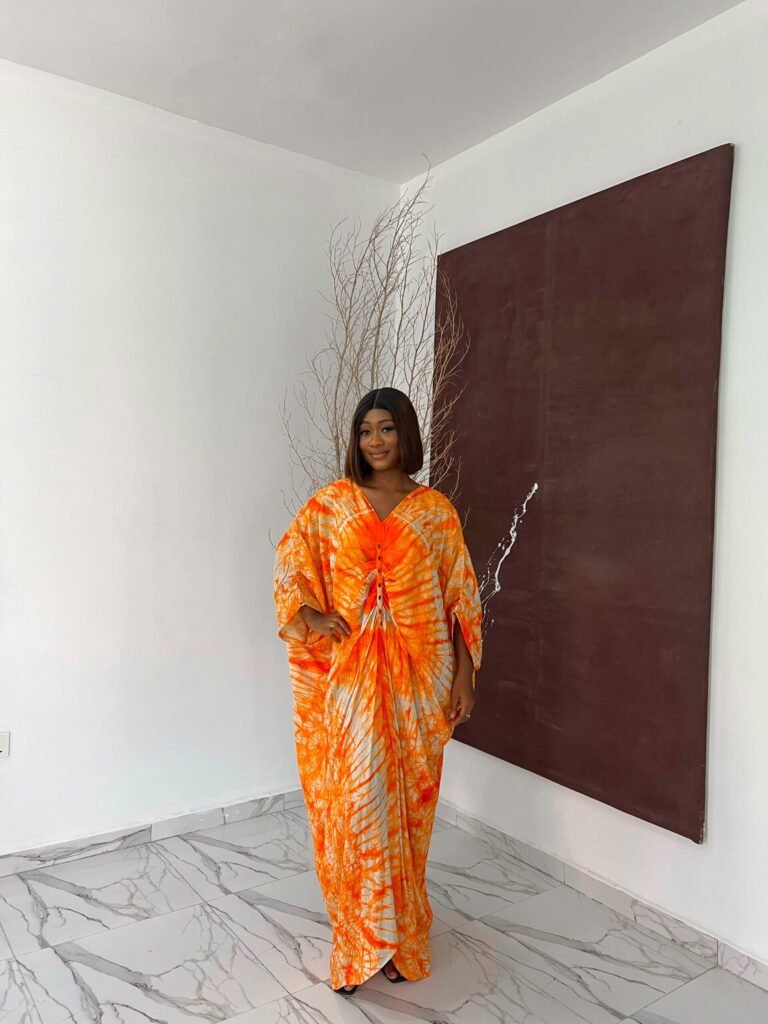
The Leema Silk Bubu showcases silk’s unique properties within the bubu silhouette. Silk offers distinctive characteristics: natural temperature regulation, lustrous appearance, excellent drape, and luxurious tactile qualities that elevate any design.
Silk varieties offer different properties. Charmeuse provides high luster and fluid drape, dupioni offers textured interest, and silk crepe provides matte elegance. Each type creates different aesthetic effects within bubu gown styles. The choice depends on desired formality level and visual character.
Working with silk requires specialized knowledge. The fabric can be challenging—it frays readily, shows needle holes if seams are removed, and requires appropriate pressing temperatures. However, the results justify the effort. Well-constructed silk garments move beautifully and feel luxurious against skin.
Fabric composition: Various silk types—charmeuse, dupioni, crepe, or blended silks Construction details: Specialized silk construction techniques, French seams preferred, careful pressing
Occasions: Formal events, luxury occasions, special celebrations, premium wardrobe investments
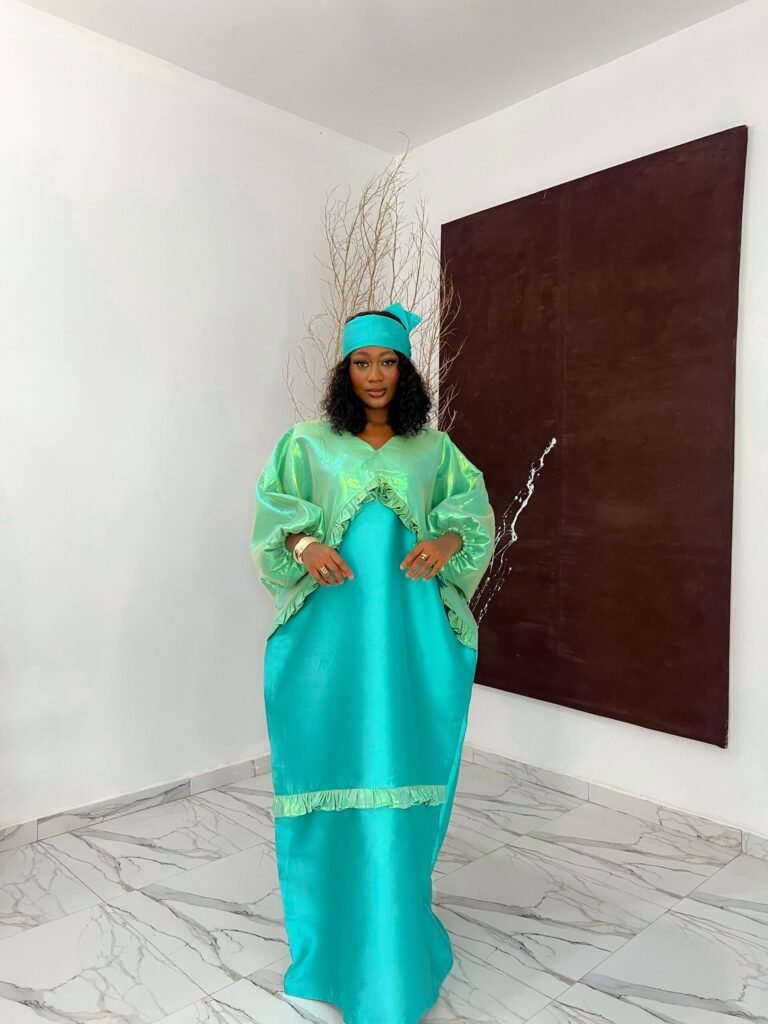
The Lily Bubu embodies minimalist design philosophy through essential elements and clean execution. Minimalism isn’t about less quality but about eliminating unnecessary elements, allowing excellent fabric and construction to speak for themselves.
Minimalist design requires confidence in fundamentals. Without decorative elements to distract, every aspect must be perfectly executed—seams must be straight, proportions balanced, and fabric quality evident. The approach appeals to those who appreciate understated sophistication and versatile styling.
The color palette for minimalist bubu gown styles typically includes neutrals (black, white, grays, beiges) or single, carefully chosen colors worn as monochrome statements. These choices create visual calm while offering maximum versatility in accessory pairing and multi-garment outfit building.
Fabric composition: High-quality fabrics in neutral or single colors that showcase quality
Construction details: Perfect execution of basics, clean lines, impeccable finishing
Occasions: Professional settings, modern minimalist contexts, versatile daily wear
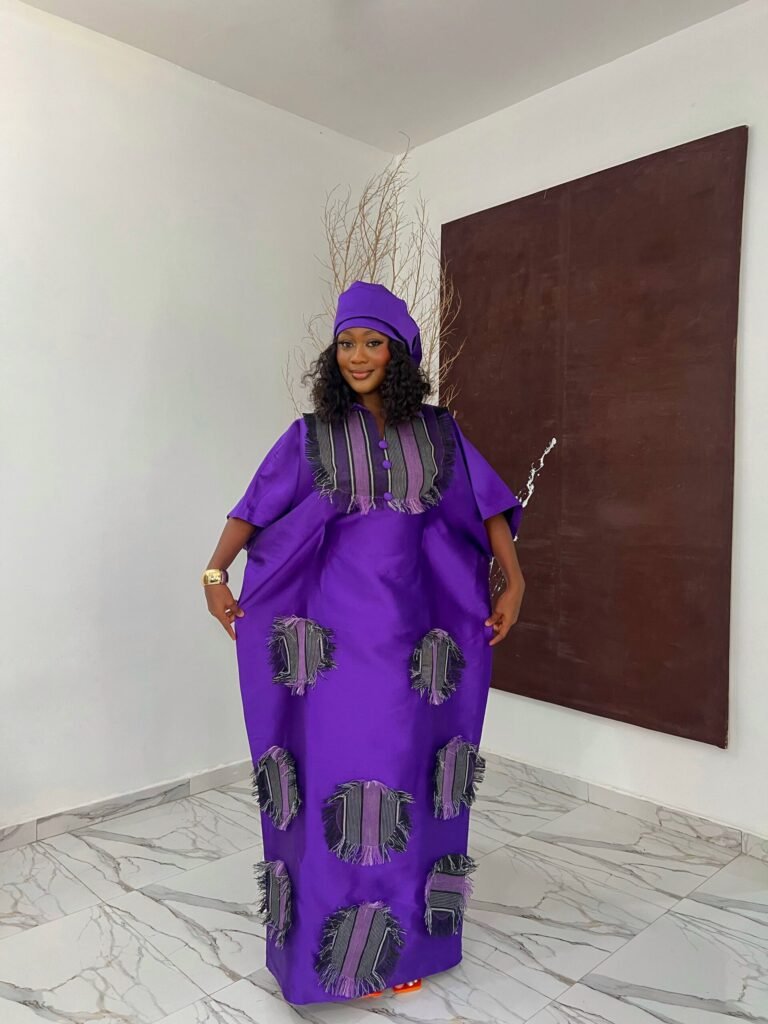
The Marie Bubu represents timeless grace through classic design elements that transcend fashion cycles. Timeless pieces avoid trend-dependent details, focusing instead on proportions and styling that have proven appeal across decades.
Classic design elements include traditional necklines (round, V, or square), standard sleeve lengths (three-quarter or full), and moderate garment lengths that work across different fashion eras. These elements combine to create garments that look appropriate regardless of current trend directions.
The investment in timeless pieces pays long-term dividends. While trendy garments may offer excitement, they often have short wearing windows before appearing dated. Timeless designs maintain relevance, making them cost-effective despite potentially higher initial investment.
Fabric composition: Classic fabrics that age well—quality cotton, silk, or premium blends
Construction details: Traditional construction methods, classic proportions, quality materials
Occasions: Any formal or semi-formal occasion across years, investment wardrobe building
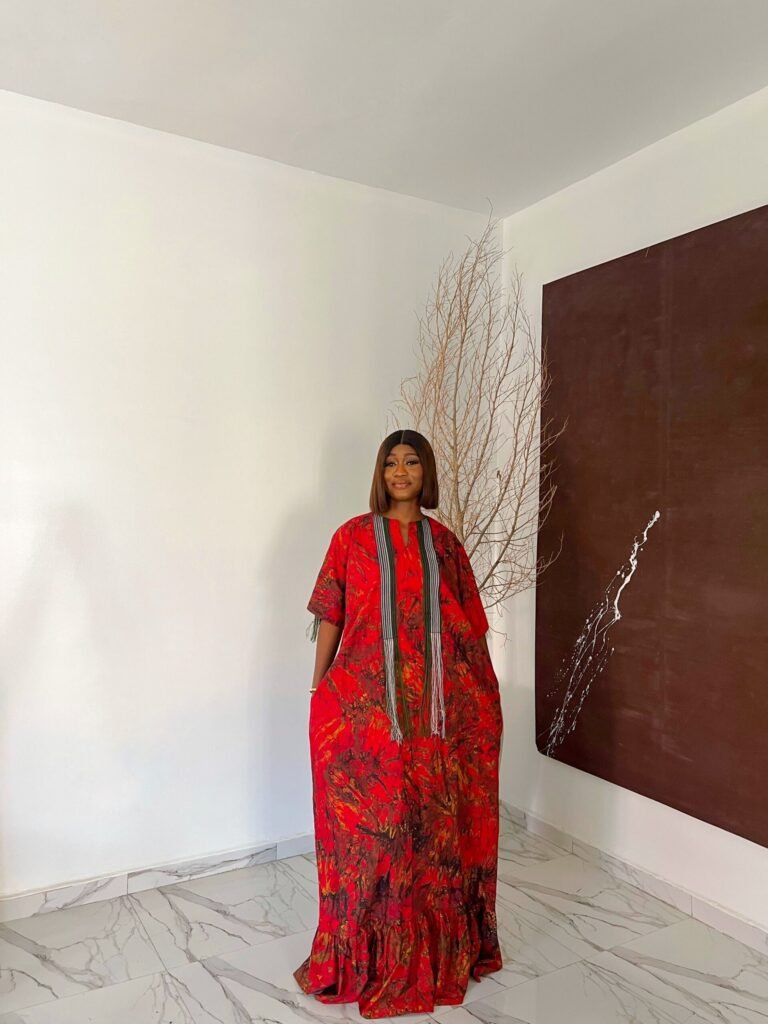
The Meerah Bubu achieves balance between traditional construction methods and contemporary styling expectations. This fusion approach respects cultural heritage while acknowledging that modern life presents different requirements than historical contexts.
Traditional techniques might include hand-finishing details, specific seaming methods passed through generations, or construction sequences that prioritize durability over speed. Contemporary adaptations might involve modified lengths for modern activities, pocket additions for practical needs, or neckline adjustments for current preferences.
The successful fusion requires understanding both traditions and contemporary needs. Simply updating traditional designs without understanding their cultural context risks losing meaningful elements, while rigidly adhering to historical methods may create impractical garments for modern life.
Fabric composition: May combine traditional textile types with contemporary fabric technologies
Construction details: Traditional techniques adapted for contemporary wear, cultural respect with practical updates
Occasions: Bridge contexts between traditional and modern settings, cultural fusion events
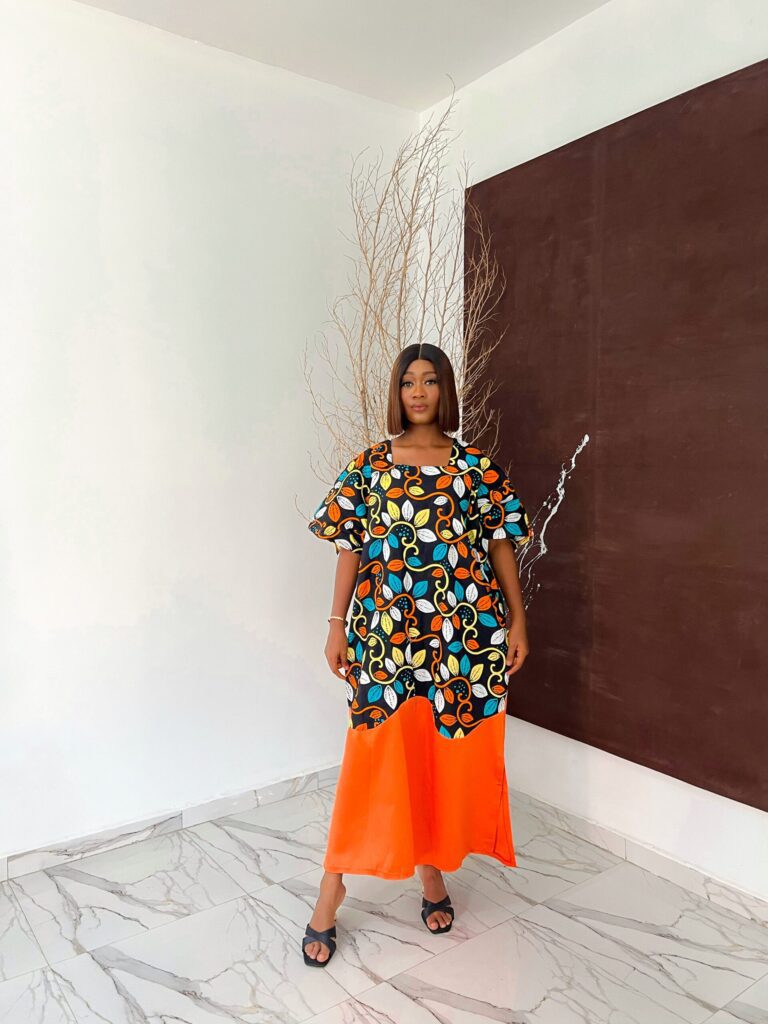
The Mikari Bubu pushes design boundaries through innovative approaches to traditional bubu gown styles. Innovation in traditional garments requires balancing respect for cultural significance with exploration of new possibilities in construction, materials, or styling.
Innovative elements might include unexpected structural details like asymmetrical hemlines or unconventional closures, experimental fabric combinations that create new textures, or modern technologies like laser-cut details or digital printing applied to traditional silhouettes. These explorations keep traditional forms relevant and exciting.
The risk in innovation lies in losing the essence that makes bubu styles meaningful. Successful innovation maintains core principles—comfort, cultural connection, and flowing elegance—while introducing fresh elements. This requires deep understanding of both tradition and contemporary design possibilities.
Fabric composition: May incorporate innovative materials or unexpected fabric combinations
Construction details: Experimental techniques, innovative pattern development, pushing traditional boundaries
Occasions: Fashion-forward events, design enthusiasts, creative expression contexts
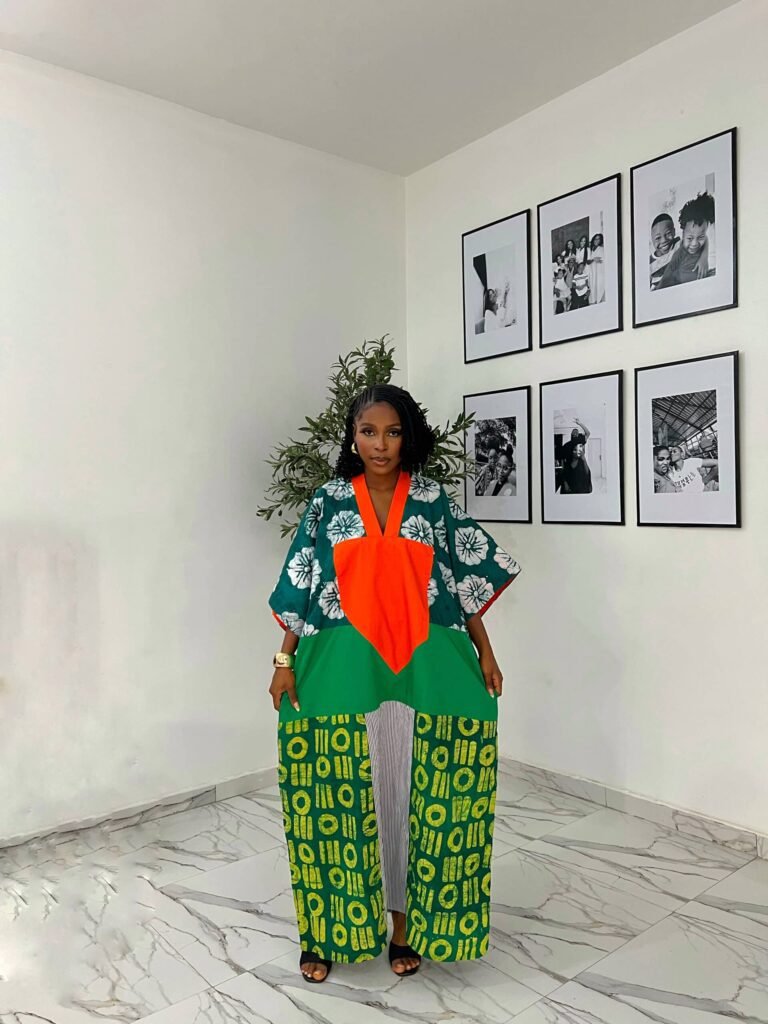
The Nini Bubu brings playful energy to bubu gown styles through cheerful design elements that don’t take themselves too seriously. This approach recognizes that fashion should bring joy and allow personality expression beyond serious formality.
Playful elements might include unexpected color combinations, whimsical print choices, or lighthearted details that add character without compromising wearability. These choices create garments that lift spirits and express the wearer’s joyful approach to life and style.
The construction maintains quality standards despite playful aesthetics. Cheerful design doesn’t mean casual execution—the garment must still be well-made, properly proportioned, and durably constructed. Playfulness comes from design choices, not compromised quality.
Fabric composition: Cheerful prints or colors, playful patterns, uplifting color palettes Construction details: Quality construction despite playful aesthetics, proper finishing, durable seaming
Occasions: Joyful celebrations, casual gatherings, expressing personality through fashion
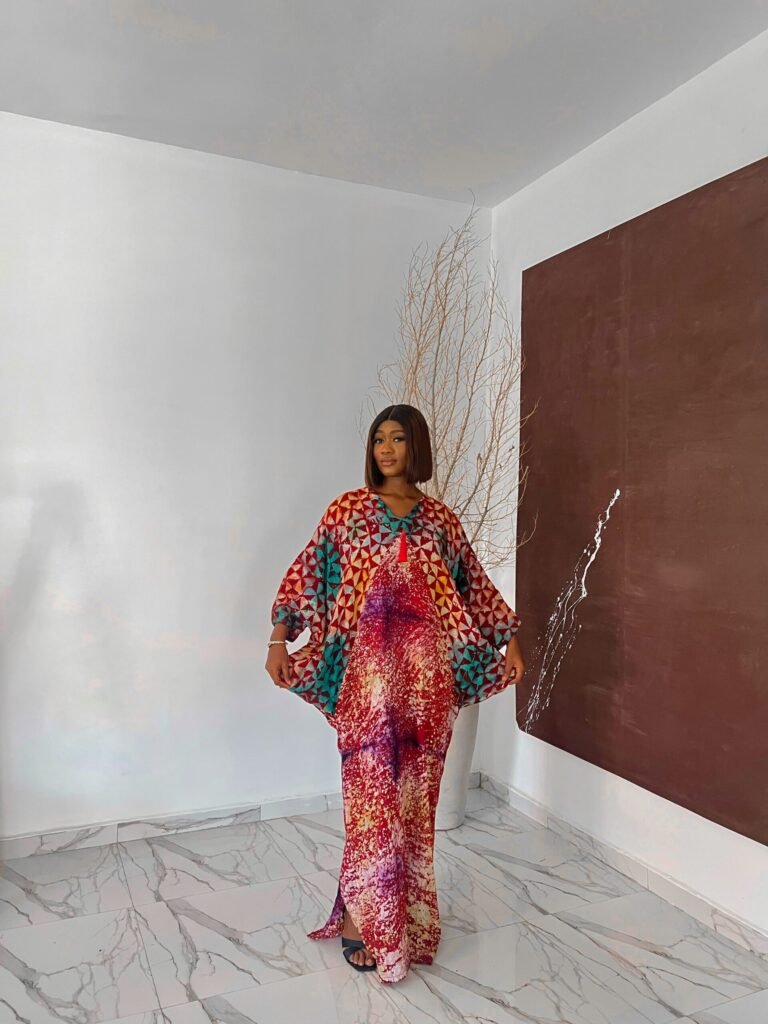
The Reeya Bubu emphasizes sophisticated detail work that elevates the design beyond basic construction. These details might be subtle enough that only close observation reveals them, but they significantly impact overall quality perception.
Sophisticated details include elements like hand-picked hems that create nearly invisible finishes, carefully matched patterns across seams, thoughtful trim applications, or subtle embroidery that adds texture without obvious decoration. These elements demonstrate craftsmanship and care in creation.
Appreciating detailed work requires understanding garment construction. As consumers become more knowledgeable about quality indicators, these sophisticated details increasingly influence purchasing decisions and wearing satisfaction. They represent the difference between adequate and exceptional.
Fabric composition: Quality fabrics that showcase detail work effectively
Construction details: Refined finishing techniques, subtle but significant details, exceptional craftsmanship
Occasions: Contexts where quality appreciation matters, discerning audiences, quality-focused wardrobes
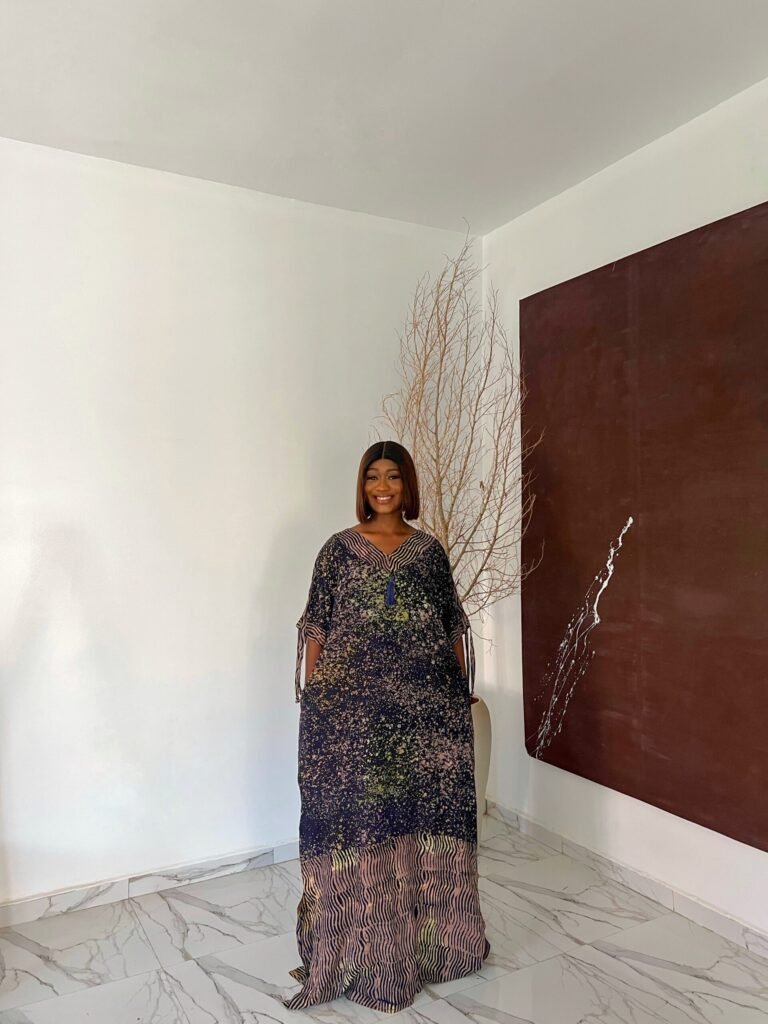
The Rukky Dress offers more defined structuring within the bubu family. This approach appeals to those who prefer garments with clear waist definition and more tailored proportions while still appreciating the cultural significance and comfort of bubu styling.
Structural definition typically comes through seaming techniques (princess lines, empire waists, or yoked constructions) that provide shaping without requiring close fitting. These methods allow the garment to skim the body, suggesting shape without constriction.
The pattern development for structured yet comfortable designs requires skill. The shaping must provide definition without creating pressure points or restricting movement. Achieving this balance demands understanding body shapes, fabric behavior, and construction techniques that provide structure with stretch.
Fabric composition: Fabrics with body that support structure—structured cotton, ponte knit, or stable blends
Construction details: Shaping seams, possible waist definition, more tailored proportions
Occasions: Professional environments, structured preferences, body-conscious styling with comfort
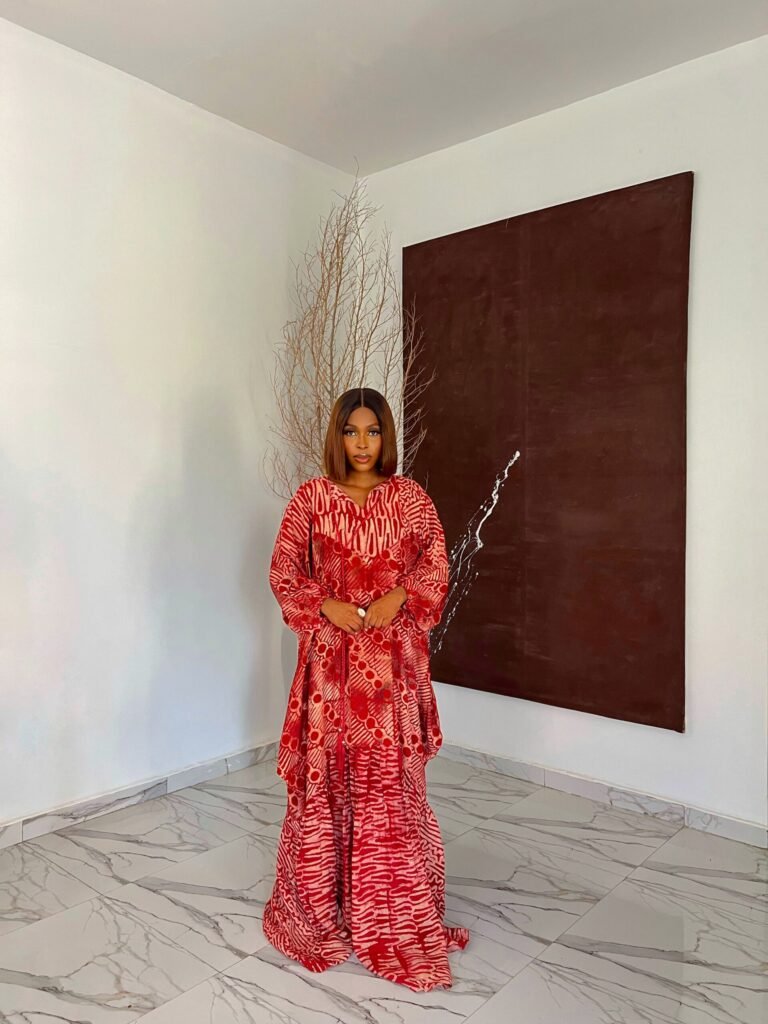
The Tanya Bubu achieves effortless chic through designs that look sophisticated without appearing overly styled. This aesthetic appeals to busy women who want to look polished without investing extensive time in styling and outfit coordination.
Effortless chic typically involves excellent cut and fabric quality that requires minimal styling assistance. The garment’s inherent design provides complete outfit potential—adding simple accessories creates finished looks without requiring multiple coordinating pieces or complex styling knowledge.
The construction supports this effortless aesthetic through careful proportion work. Lengths are calibrated to flatter without requiring alterations, sleeves fall at attractive points on the arm, and necklines frame the face naturally. These carefully considered details make the garment easy to wear successfully.
Fabric composition: Quality fabrics with excellent drape that naturally look polished Construction details: Carefully calibrated proportions, minimal styling assistance needed, inherent polish
Occasions: Busy lifestyles, quick styling needs, modern living, effortless elegance
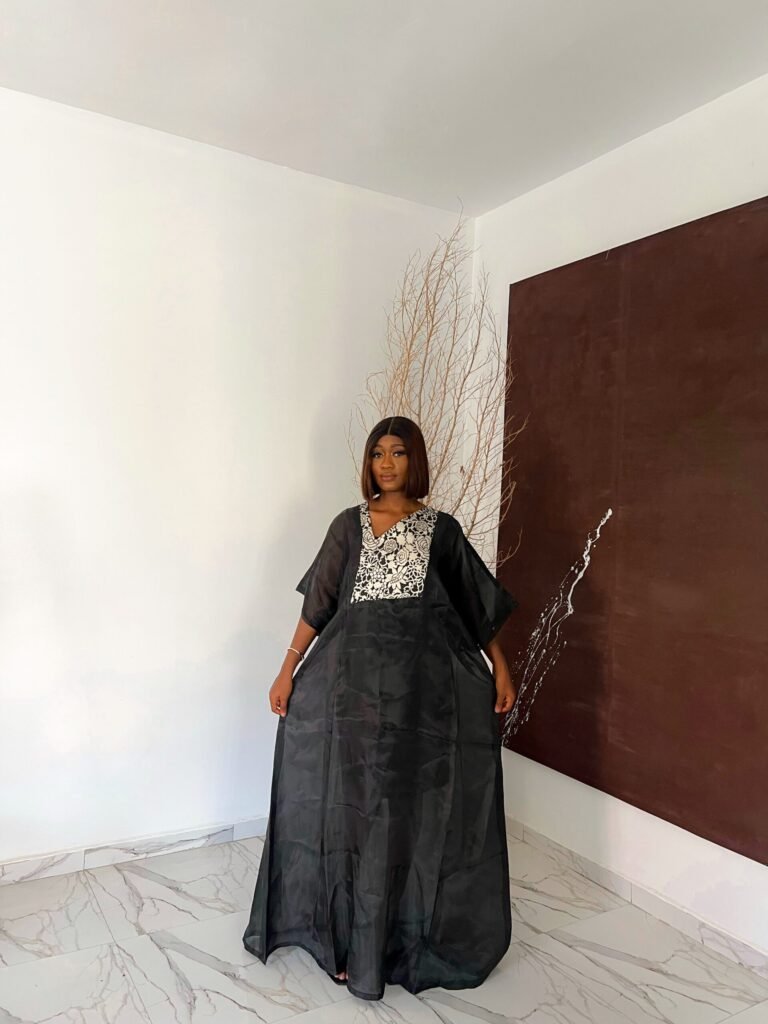
The Tito Bubu makes confident design statements through bold choices in proportion, color, or detail. This design acknowledges that some occasions and personalities call for fashion that commands attention and makes memorable impressions.
Bold confidence manifests differently depending on the specific design approach. It might be dramatic color (bright reds, royal purples, or striking blacks), exaggerated proportions (particularly full volumes or extended lengths), or eye-catching details (significant embellishment or unique structural elements).
Wearing bold design successfully requires owning the choice completely. Hesitant wearing undermines bold fashion, while confidence amplifies its impact. The design provides that confidence through its distinctive, well-executed character that empowers the wearer.
Fabric composition: Fabrics supporting bold statements—rich colors, luxurious textures, or dramatic materials
Construction details: Bold proportions balanced for wearability, quality execution supporting design vision
Occasions: Leadership contexts, impactful events, confident self-expression, memorable occasions
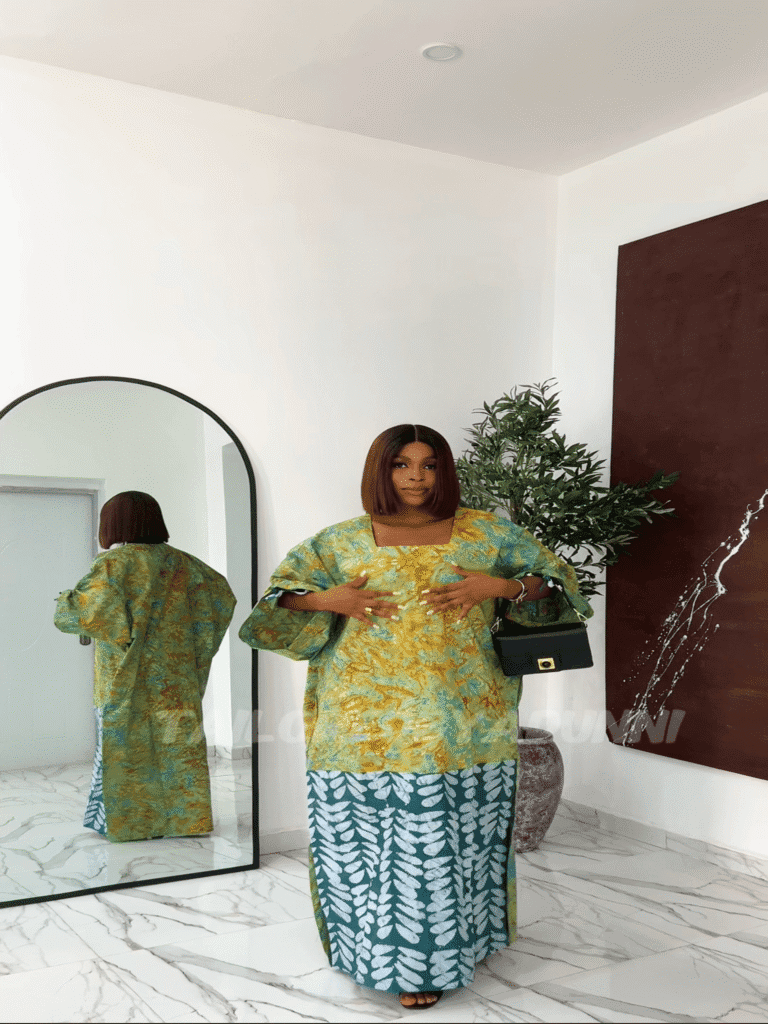
The first Tiwa Bubu achieved such popularity that it warranted a second edition, demonstrating how certain designs resonate particularly strongly with customers. This original version established design elements that customers clearly valued and appreciated.
Popular designs typically succeed by hitting a sweet spot—they’re distinctive enough to be interesting but accessible enough for broad appeal. They solve real wardrobe needs while offering aesthetic pleasure. Understanding why certain designs succeed helps inform future development.
The construction represents proven approaches that customers trust. Quality standards, proportions, and styling choices have been validated through positive customer experiences, making this a lower-risk choice for new customers and a reliable option for returning ones.
Fabric composition: Proven fabric choices that customers appreciate
Construction details: Validated construction approaches, popular proportions, trusted quality
Occasions: Safe choices for important occasions, proven styling, gift purchases
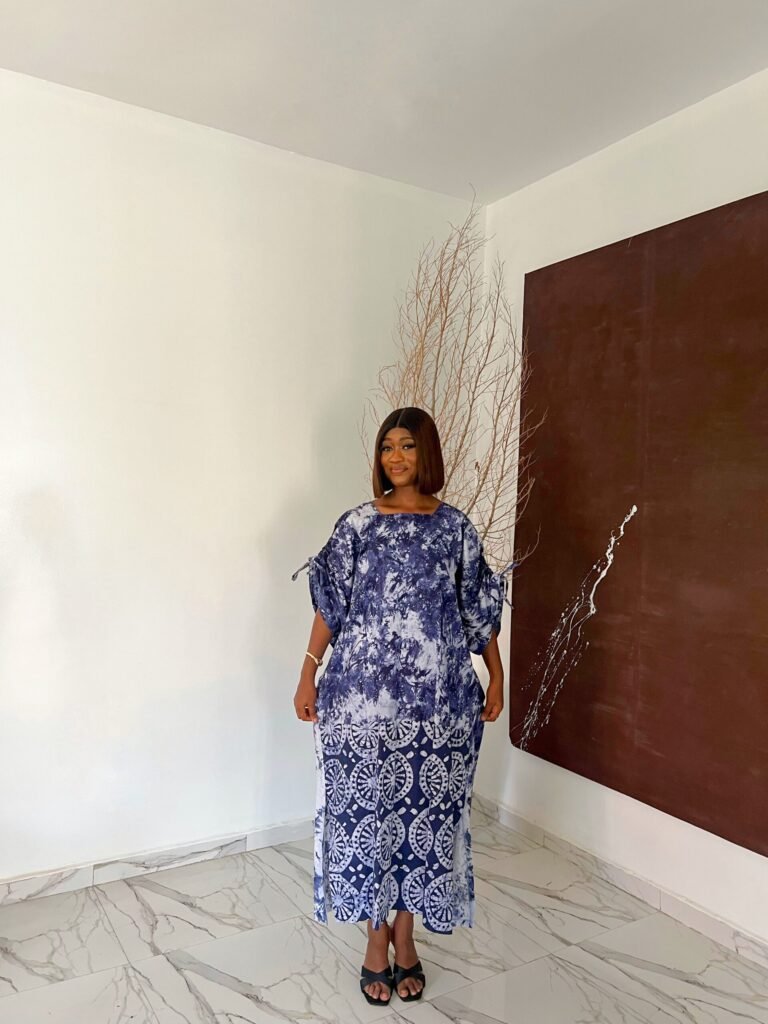
The second Tiwa Bubu edition builds on the original’s success with refinements based on customer feedback and wearing experiences. This iterative approach demonstrates commitment to continuous improvement and customer satisfaction.
Second editions typically incorporate lessons learned from the first version. Perhaps the original length needed slight adjustment for broader appeal, or customers suggested additional pocket placement, or fabric selection could be improved. These refinements create better versions while maintaining core appeal.
The development process for improved editions requires listening to customer feedback carefully, understanding which elements drive the design’s appeal (and must be preserved), and identifying which areas can be enhanced without losing the original’s character.
Fabric composition: Potentially improved fabric choices based on wearing feedback
Construction details: Refined construction incorporating customer feedback, maintained core appeal
Occasions: Returning customers, collection completion, appreciation for iterative improvement
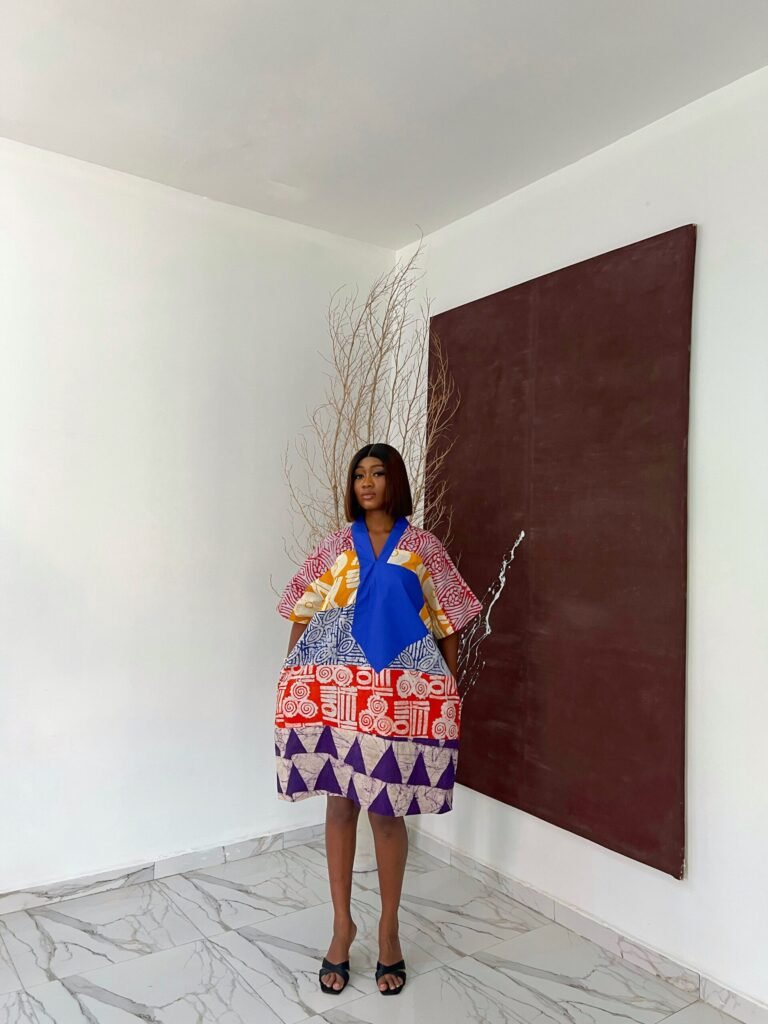
The Toke Short Adire Mix adapts traditional textiles and bubu gown styles to contemporary length preferences. Shorter lengths offer practical advantages for active lifestyles while maintaining cultural connection through traditional fabric integration.
Contemporary length preferences often reflect lifestyle changes. Shorter garments work better with modern activities like driving, climbing stairs in various environments, or moving through crowded urban spaces. The length adaptation makes traditional styles more practical for daily modern life.
The adire integration maintains cultural authenticity despite length modifications. Traditional textiles and patterns carry meaning regardless of garment length, allowing contemporary proportions while preserving cultural expression and supporting traditional textile production.
Fabric composition: Traditional adire with complementary fabrics in contemporary proportions
Construction details: Modern length while maintaining traditional elements, practical proportions
Occasions: Active lifestyles, contemporary preferences, casual cultural expression, practical elegance
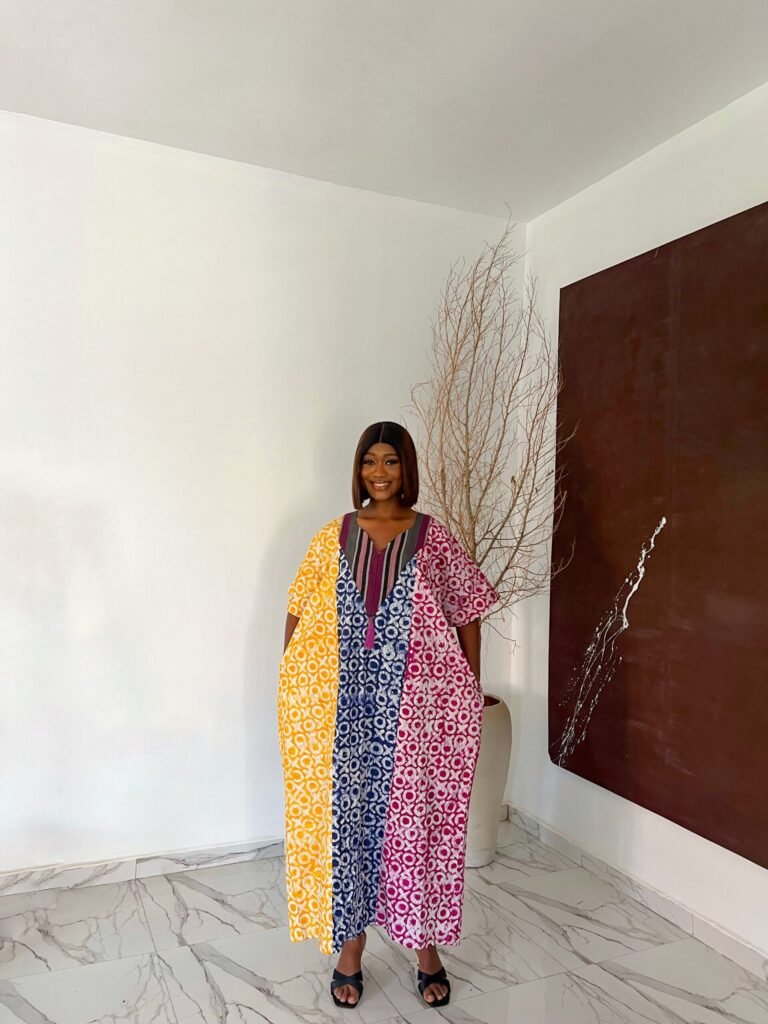
The XOXO Bubu expresses affection and warmth through romantic design elements. This approach recognizes that clothing choices can communicate personality and emotional approaches, with romantic styling expressing warmth and openness.
Romantic elements typically include softer colors (pastels, blush tones, soft neutrals), feminine details (ruffles, gentle gathers, delicate trims), or fabric choices with romantic associations (lace, silk, soft chiffons). These elements create aesthetics associated with gentleness and affection.
The construction supports romantic aesthetics through techniques that enhance softness—gentle gathers rather than sharp pleats, curved lines rather than geometric angles, and flowing proportions that create romantic movement. The overall effect expresses warmth and approachability.
Fabric composition: Romantic fabric choices—soft colors, gentle textures, feminine materials
Construction details: Soft construction techniques, flowing proportions, romantic details
Occasions: Romantic occasions, expressing affection, Valentine celebrations, gentle self-expression
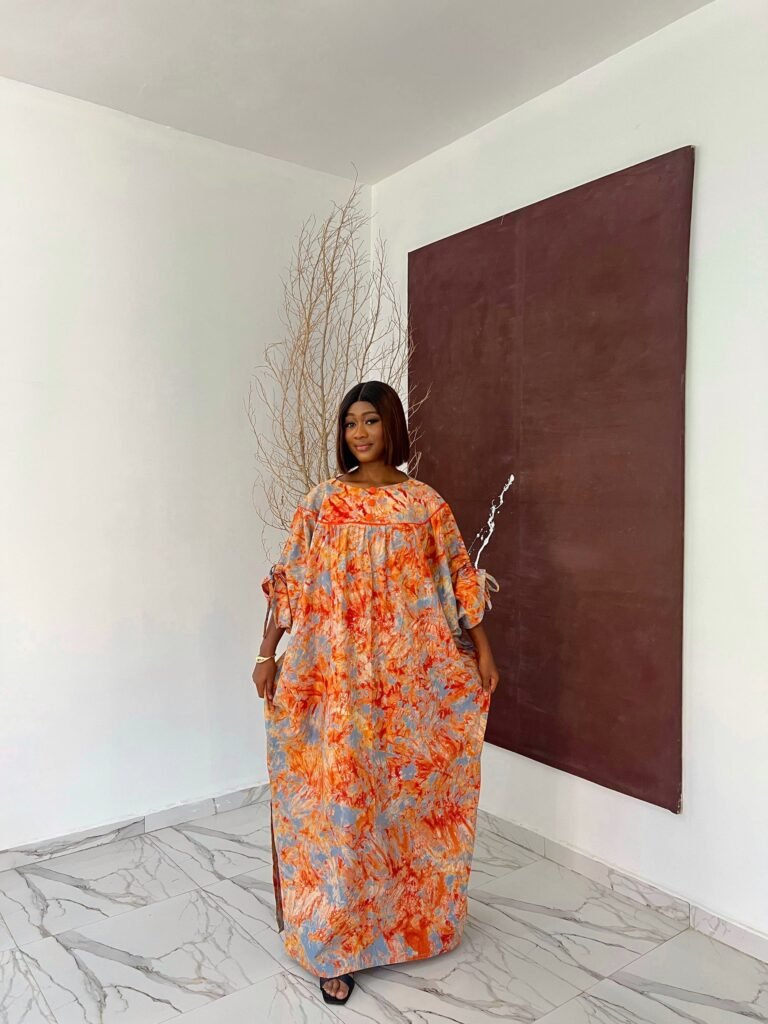
The Yasmine Bubu explores exotic elegance through unique design elements that suggest cultural fusion or travel-inspired aesthetics. This approach appeals to adventurous dressers who appreciate multicultural influences in fashion.
Exotic elements might include unexpected pattern combinations, cultural references from various traditions, or unique color palettes that differ from typical regional preferences. These elements create interest and suggest worldliness or cultural appreciation.
The construction must balance exotic appeal with wearability. Unusual elements should enhance rather than overwhelm, creating garments that are interesting without being costume-like. The goal is wearable fashion with distinctive character that suggests cultural appreciation.
Fabric composition: Possibly unusual fabric combinations or culturally diverse textile choices
Construction details: Balanced exotic elements with practical wearability
Occasions: Culturally curious audiences, travel enthusiasts, multicultural appreciation contexts
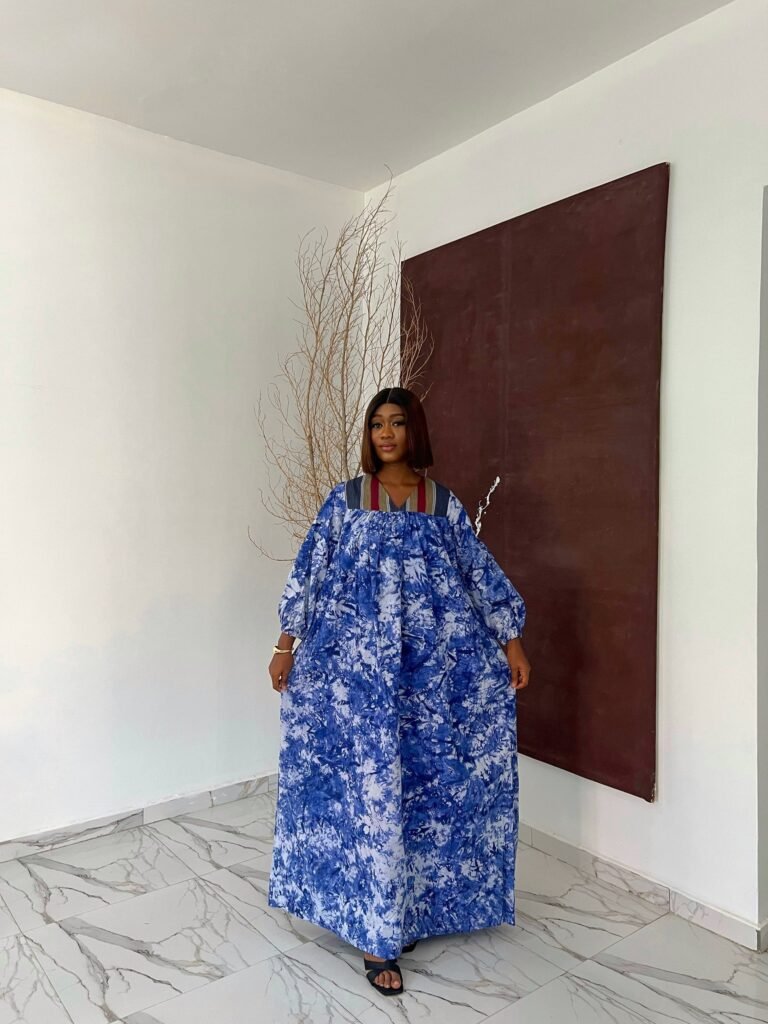
The Zayna Bubu achieves graceful versatility through balanced design that works across multiple occasions. Versatile pieces earn their wardrobe space by functioning in diverse contexts, making them practical investments for efficient wardrobes.
Graceful versatility comes from avoiding extremes—not too formal or casual, not too trendy or traditional, not too bold or subtle. This balanced approach creates garments appropriate for numerous situations without being boring or characterless.
The construction emphasizes quality and classic proportions that maintain relevance across wearing contexts. Details are refined but not so specific they limit wearing options. The result is elegant reliability that women can depend on repeatedly.
Fabric composition: Versatile fabrics in adaptable colors, quality materials for repeated wear
Construction details: Classic proportions, quality construction, balanced design elements
Occasions: Multiple contexts from professional to social to semi-formal settings
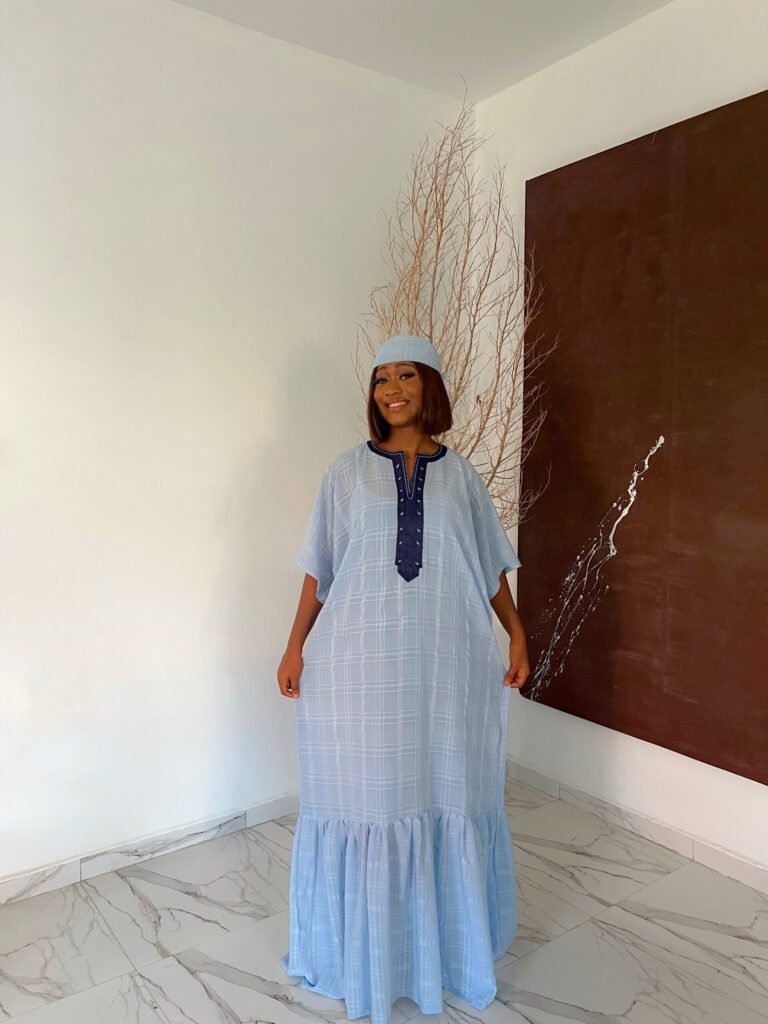
The Zeeya Bubu bridges generational preferences by incorporating contemporary trends while respecting traditional design principles. This balance makes the garment appealing across age ranges, from younger fashion-forward wearers to traditional-minded customers.
Bridging generations requires understanding different age cohorts’ preferences while finding common ground. Younger wearers might appreciate trendy colors or modern proportions, while older customers value quality construction and cultural authenticity. Successful designs satisfy both.
The construction employs traditional techniques that ensure quality while incorporating contemporary details that signal current relevance. This combination creates garments that families can appreciate across generations, supporting cultural continuity while remaining fashionably current.
Fabric composition: Quality traditional materials in contemporary colorways or modern sustainable options
Construction details: Traditional construction quality with contemporary design updates
Occasions: Multi-generational family events, bridging traditional and modern contexts
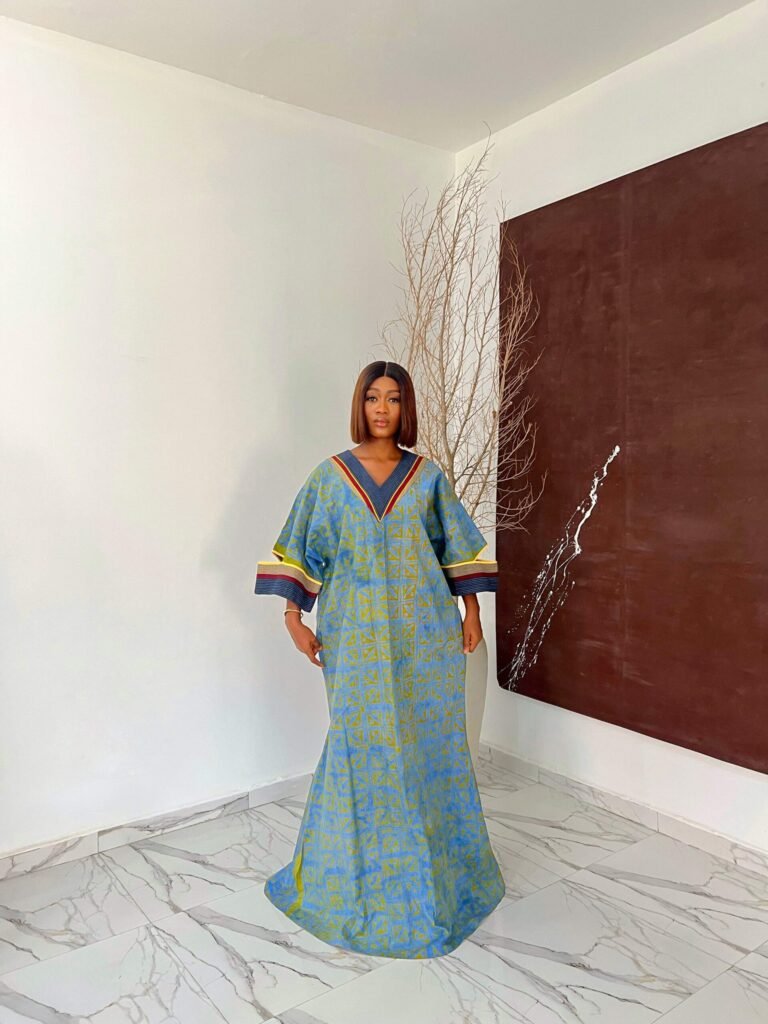
The Zoe Bubu targets younger demographics with energetic, contemporary styling that makes bubu gown styles relevant to new generations. Attracting younger wearers to traditional garments ensures cultural continuity and keeps traditional fashion forms vibrant and evolving.
Youthful styling typically involves more experimental approaches—bolder colors, contemporary proportions (possibly shorter lengths or innovative sleeve treatments), or modern details that connect with younger aesthetic preferences. These adaptations make traditional forms accessible and exciting to younger audiences.
The construction maintains quality standards while incorporating elements young people value—possibly sustainable materials, ethical production practices, or modern features like hidden pockets for phones. Meeting young people where they are helps traditional styles remain relevant.
Fabric composition: Contemporary fabric choices possibly including sustainable options
Construction details: Modern proportions, contemporary details, quality construction for new generations
Occasions: Younger audiences, contemporary events, ensuring cultural continuity, fresh perspectives
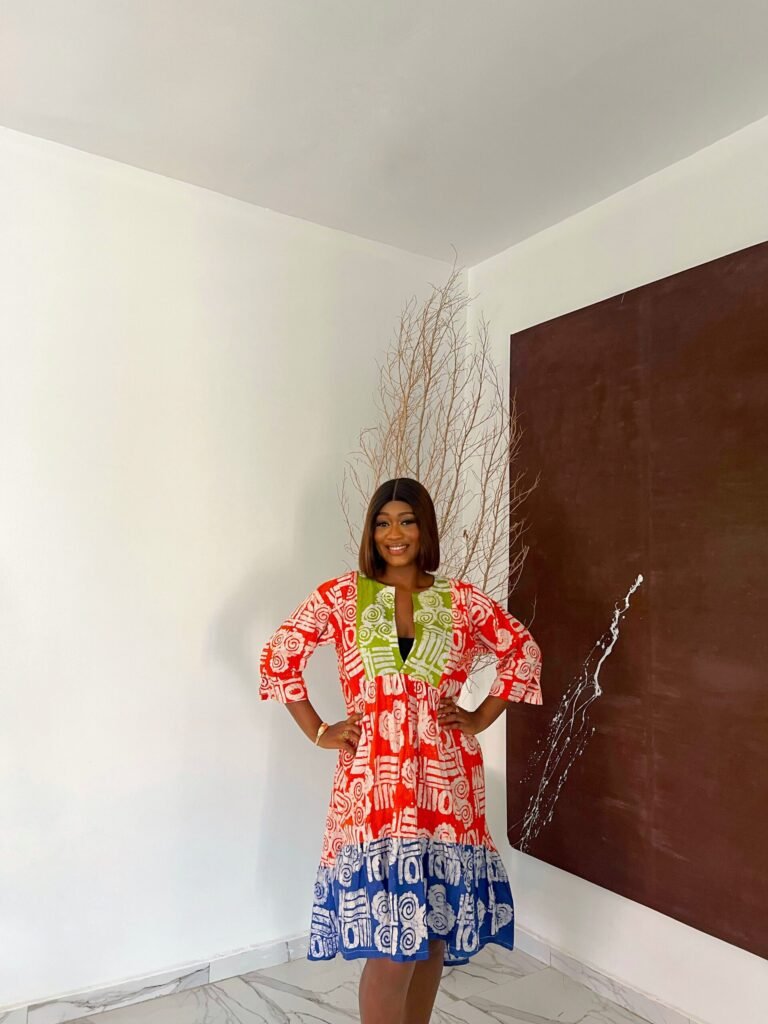
The Zoey Mix Dress concludes our collection with creative fabric mixing that demonstrates innovative possibilities within traditional bubu frameworks. This design represents creative freedom and the ongoing evolution of these culturally significant garments.
Fabric mixing involves combining different materials, patterns, or colors within a single garment. This technique adds visual complexity and allows creative expression while potentially making expensive materials more economically accessible by combining them with complementary less expensive fabrics.
The construction challenges of mixing fabrics include managing different shrinkage rates, coordinating care requirements, and creating cohesive visual designs from diverse materials. Successfully executed mixing produces stunning results that showcase both design skill and construction expertise, demonstrating the creative potential within traditional bubu gown styles.
Fabric composition: Multiple coordinated fabrics creating visual interest through combination
Construction details: Managing different fabric behaviors, cohesive design from diverse materials
Occasions: Creative expression, fashion enthusiasts, demonstrating design possibilities, collection highlights
Understanding what makes bubu gown styles special helps explain their enduring popularity and growing global recognition. These garments offer benefits that extend beyond aesthetics into practical, psychological, and cultural domains.
Practical Advantages:
The flowing construction accommodates body changes without requiring alterations, making these garments long-term wardrobe investments. They work across seasons—lightweight fabrics for warm weather, layering options for cooler periods. The comfortable fit allows extended wearing without discomfort, important for long events or busy days. Many designs include practical elements like pockets or adaptable styling that enhances functionality.
Body Positivity:
Bubu gown styles celebrate natural body forms rather than requiring specific shapes or sizes. This approach aligns with contemporary body positivity movements while honoring traditional philosophies that never equated fashion with body restriction. Fashion authorities at InStyle magazine have highlighted the body-positive philosophy embedded in traditional African garment construction. The comfortable ease allows confident wearing regardless of current body state or recent changes.
Cultural Connection:
Wearing these garments connects wearers to rich African fashion traditions spanning centuries. Each piece carries cultural significance, whether through traditional textiles like adire, construction techniques passed through generations, or design elements referencing specific cultural contexts. This connection provides meaning beyond simple aesthetics.
Versatility:
The range of designs available means bubu gown styles work for virtually any occasion. Simple versions suit daily wear, embellished designs shine at formal events, professional adaptations work in business contexts, and everything in between exists. This versatility makes them practical wardrobe foundations rather than special-occasion-only pieces.
Sustainability:
Quality bubu gown styles last years when properly cared for, making them sustainable fashion choices. Their timeless appeal means they don’t quickly appear dated, further extending wearing periods. Business of Fashion reports that sustainable, culturally-rooted fashion is increasingly valued by conscious consumers. Many incorporate traditional textiles supporting artisan communities and preserving cultural crafts, adding ethical dimensions to fashion choices.
Psychological Benefits:
Comfortable clothing that looks elegant provides psychological relief from restrictive fashion. Women report feeling both put-together and comfortable in well-designed bubu styles, a combination rarely achieved in Western dress forms. The cultural significance adds pride and connection to wearing experiences.
Proper care ensures your bubu gown styles maintain their beauty and structure through years of wearing. Different fabrics and construction types require specific approaches.
General Care Principles:
Always check care labels before cleaning. When in doubt, hand washing in cool water with gentle detergent provides the safest cleaning method for most fabrics. Avoid harsh chemicals or bleaches that can damage natural fibers or affect colors. Air drying prevents shrinkage issues common with machine drying.
Fabric-Specific Care:
Cotton and cotton blends typically handle machine washing well in cool or warm water. Iron while slightly damp for easiest pressing. Silk requires cool water hand washing or dry cleaning, with pressing on the wrong side using low heat. Lace needs gentle handling—hand wash in cool water, press carefully with appropriate heat settings. Embellished pieces often require dry cleaning to protect decorative elements.
Storage Recommendations:
Hang bubu gowns when possible to prevent wrinkles and maintain shape. Use padded or wide hangers that won’t create shoulder bumps. Store in breathable garment bags for protection from dust while allowing air circulation. Avoid plastic storage that can trap moisture. Cedar or lavender sachets provide natural moth protection for natural fibers.
Maintaining Embellishments:
Turn embellished garments inside out before washing to protect beading or embroidery. Hand wash when possible, using gentle pressure rather than rubbing. Check embellishments periodically for loose threads or beading that needs repair—early intervention prevents further damage. Store embellished pieces with tissue paper protecting decorated areas.
Pressing Techniques:
Different fabrics require different iron temperatures. Cotton handles high heat well, while silk and synthetic blends need lower settings. Press on the wrong side when possible to prevent shine on the right side. Use pressing cloths for delicate fabrics or embellished areas. Steam helps remove wrinkles from fabrics that can’t handle direct iron contact.
Stain Treatment:
Address stains immediately when possible. Blot rather than rub to prevent spreading or setting. Use appropriate stain treatments for fabric types—enzyme cleaners work well on protein stains, while oxygen-based cleaners handle many common stains safely. Test treatments on hidden areas first to ensure they don’t damage or discolor fabric.
Understanding how to style bubu gown styles effectively multiplies your wardrobe options and ensures you always look polished and intentional.
Accessory Coordination:
Embellished designs work best with minimal jewelry to avoid visual competition. As noted by Elle’s style experts, balancing embellished garments with minimal jewelry creates maximum impact. Simple bubu styles provide blank canvases for statement accessories. Consider neckline shape when choosing necklaces—V-necks work with pendants, square necklines suit structured pieces, and round necklines accommodate various jewelry styles. Earrings should balance rather than match necklaces exactly.
Footwear Selection:
Formal bubu gown styles pair beautifully with elegant heels or dressy sandals. Casual versions work with comfortable flats, wedges, or even stylish sneakers for contemporary looks. Consider hem length when choosing footwear—longer gowns work with higher heels, while shorter versions offer more footwear flexibility. Metallic footwear provides versatile neutral options.
Bag Choices:
Structured handbags or clutches complement formal bubu gown styles, adding polish to special occasion looks. Crossbody bags work well with casual designs, offering hands-free convenience. Consider scale—larger body volumes in bubu gown styles can handle larger bags, while more fitted designs suit smaller accessories. Color coordination doesn’t require exact matching—complementary or contrasting colors create intentional looks.
Layering Options:
Lightweight cardigans or wraps extend wearing seasons for bubu styles. These layers should be proportionally appropriate—avoid bulky items that add visual weight. Consider sleeve length when layering—three-quarter or full sleeves typically work better under layers than short sleeves. Fabric coordination matters—knits over woven cottons, silk wraps over silk garments.
Head Wrap Coordination:
Traditional head wraps, or gele, create cohesive cultural looks when paired with bubu gown styles. Fabric coordination between garment and head wrap shows intentionality and cultural knowledge. The head wrap adds height and presence, particularly effective for special occasions. Various tying styles create different effects from subtle to dramatic.
Seasonal Adaptations:
Summer styling emphasizes breathable fabrics, lighter colors, and minimal layering. Spring welcomes floral prints and pastel colors with lightweight cardigans. Fall transitions incorporate richer colors, possibly with light jackets. Winter might include heavier fabrics, darker colors, and strategic layering with coats or wraps.
Understanding how bubu gown styles have evolved provides context for their current significance and hints at future directions.
Historical Context:
Traditional bubu garments served specific social functions in West African societies. They indicated social status, with fabric quality, embellishment levels, and styling variations communicating the wearer’s position. Royal courts developed particular styles, and certain patterns or colors held specific meanings. The garments facilitated movement in hot climates while maintaining modesty according to cultural standards.
Colonial Period Impacts:
Colonial influences introduced Western dress forms that competed with traditional styles. However, bubu gown styles persisted, demonstrating their cultural importance and practical superiority in local contexts. Some adaptations incorporated European fabrics or construction techniques while maintaining traditional silhouettes, creating hybrid forms.
Post-Independence Renaissance:
Independence movements across Africa sparked renewed interest in traditional dress as cultural pride symbols. Bubu gown styles experienced renaissance as people reclaimed cultural identity through fashion. Designers began exploring traditional forms with contemporary sensibilities, establishing African fashion as sophisticated and modern rather than merely traditional or ethnic. Women’s Wear Daily has documented this renaissance as a pivotal moment in global fashion history.
Contemporary Global Recognition:
Recent decades have seen bubu gown styles gain international recognition. Fashion weeks in Lagos, Accra, and Johannesburg showcase contemporary interpretations to global audiences. Vogue and other leading fashion publications regularly feature African designers and their innovative approaches to traditional garments. International celebrities wearing African-inspired designs increase visibility and acceptance. This recognition validates what African women have always known—these garments offer unmatched combination of style, comfort, and cultural significance.
Future Directions:
The future likely brings continued innovation while respecting traditional foundations. Sustainable and ethical production practices increasingly matter to consumers, potentially benefiting traditional textile production methods. Refinery29’s fashion analysts predict that culturally-rooted sustainable fashion will dominate the next decade. Technology may introduce new fabrication techniques or smart textiles while maintaining traditional silhouettes. Cross-cultural collaborations might create interesting fusions while preserving cultural authenticity.
Fabric selection significantly impacts how bubu gown styles look, feel, and function. Understanding fabric properties helps you choose appropriate designs for specific needs.
Natural Fibers:
Cotton provides breathability, ease of care, and comfortable feel against skin. It accepts dyes well, offering vibrant colors, and works across seasons. As noted by Who What Wear’s textile experts, cotton remains the most versatile natural fiber for everyday garments. Cotton blends combine cotton’s benefits with other fibers’ properties—adding polyester increases wrinkle resistance, while adding spandex provides stretch.
Silk offers luxury through lustrous appearance, excellent drape, and temperature-regulating properties. It requires more careful handling but provides unmatched elegance. Various silk weaves create different effects—charmeuse provides fluid drape, dupioni offers textured interest, while silk crepe provides matte sophistication.
Linen excels in hot weather through superior breathability and moisture-wicking. It wrinkles easily but many appreciate this characteristic as adding casual elegance. Linen softens with washing, becoming more comfortable over time. The natural texture provides visual interest without patterns or embellishment.
Blended Fabrics:
Modern blends combine multiple fibers’ best properties. Cotton-polyester blends offer cotton’s comfort with improved wrinkle resistance and durability. Rayon blends provide silk-like drape at lower cost with easier care. These practical combinations make quality bubu gown styles more accessible and maintainable.
Traditional Textiles:
Adire involves resist-dyeing techniques creating distinctive blue patterns with cultural significance. Each pattern type—oniko, eleko, or alabere—uses different resist methods. Authentic adire supports traditional artisans and preserves cultural techniques. Essence Magazine has championed the importance of supporting traditional African textile arts through conscious fashion choices. Reproduction adire makes these patterns more widely available at accessible prices.
Ankara refers to wax-print cotton fabrics featuring vibrant African-inspired patterns. Originally Dutch wax prints, these have become associated with African fashion. The patterns often carry meanings or tell stories, adding cultural depth to fashion choices. Fashionista notes that Ankara prints have become globally recognized symbols of African fashion excellence.
Synthetic Options:
While natural fibers dominate quality bubu construction, some synthetics offer specific advantages. Polyester provides durability and wrinkle resistance, though it typically lacks natural fibers’ breathability. Modern performance fabrics might include moisture-wicking properties or stretch for specific functional needs.
Bubu gown styles flowing nature provides fitting flexibility, but proper size selection ensures optimal appearance and comfort.
Measurement Essentials:
Key measurements include bust circumference at the fullest part, shoulder width from shoulder point to shoulder point, and desired length from shoulder to hem. Sleeve length matters if the design includes fitted sleeves. Hip circumference helps ensure adequate volume through the body.
Understanding Ease:
Bubu designs intentionally include significant ease—extra space beyond body measurements. This ease provides the comfortable, flowing silhouette that defines these garments. Different designs include varying ease amounts based on intended aesthetic—more dramatic styles include greater volume.
Length Considerations:
Standard lengths work for average heights, but very tall or petite women might need adjustments. Consider footwear typically worn with the garment when selecting length. Very long gowns create formal, dramatic impressions but may be impractical for active occasions.
Shoulder Fit Importance:
While body fit is relaxed, shoulder fit matters significantly. Properly positioned shoulders ensure the garment hangs correctly. Too-narrow shoulders create pulling and restricted movement, while too-wide shoulders cause the garment to slide off or hang awkwardly.
Personal Preference Factors:
Some women prefer more fitted bubu gown styles with less volume, while others embrace maximum flow. Neither approach is wrong—personal comfort and aesthetic preferences should guide decisions. Try different volume levels to discover your preference.
Customization Options:
Many designs accept modifications for personal preferences. Hem adjustments accommodate height differences. Sleeve length changes suit individual preferences. Neckline adjustments can increase or decrease coverage. These modifications ensure garments meet individual needs while maintaining design integrity.
What makes bubu gowns different from regular dresses?
Bubu gown styles feature flowing, loose-fitting construction that prioritizes comfort and movement ease over body-conscious fitting. They typically include wide sleeves and ample body volume. The design philosophy differs fundamentally from Western dress-making, which often emphasizes fitted silhouettes. This flowing construction provides comfort in warm climates, accommodates body changes without alterations, and flatters diverse body types.
Can bubu gown styles work in professional settings?
Absolutely. Many bubu gown styles suit professional environments perfectly. Choose styles with structured necklines like the Aduke Square Neck or more tailored options like the Ajoke Dress. Pair with structured accessories and professional footwear. Fabric choice matters—opt for quality cottons or silk blends in professional colors. The key is selecting appropriate styles and styling them professionally.
You can also explore professionals articles sets like our two piece styles for ladies.
How do I determine the right length?
Consider your height and typical footwear choices. Standard lengths work for average heights (roughly 5’4″ to 5’7″), but adjustments benefit very tall or petite women. Think about activities you’ll do wearing the garment—very long lengths work beautifully for formal occasions but may be impractical for active settings. Most designs can be hemmed to your preferred length, but for pregnant women, the size can vary. See our guide on bubu gown styles for pregnant women to know more about styles for pregnant women.
Are these garments only appropriate for African women?
Not at all. While bubu gown styles have African cultural origins, fashion transcends geographic boundaries. Women worldwide appreciate these garments for their comfort, elegance, and versatility. Cultural appreciation differs from appropriation—wearing these styles respectfully, understanding their cultural significance, and supporting authentic producers shows appreciation rather than appropriation.
What fabrics work best in warm climates?
Natural fibers excel in warm weather. Cotton provides breathability and moisture absorption. Linen offers superior cooling properties through its open weave structure. Lightweight silk blends combine luxury with temperature regulation. Avoid heavy fabrics or synthetic materials that trap heat. The Beerah Bubu specifically addresses warm-weather needs through fabric selection.
How do I accessorize embellished designs?
Less is typically more with embellished bubu gown styles. The garment’s decoration provides visual interest, so minimal jewelry prevents overwhelming the look. Simple stud earrings or delicate pieces work well. Let the embellishment be the focal point. A sleek clutch and elegant footwear complete the look without competition. The Adiza Embellished Bubu exemplifies designs that shine with minimal accessorizing.
Can I wear bubu gown styles year-round?
Yes, through strategic fabric selection and layering. Lightweight fabrics work for warm months, while heavier materials suit cooler periods. Layer with cardigans, wraps, or jackets for additional warmth. The flowing silhouette actually facilitates layering better than fitted garments. Choose seasonal colors and fabrics to create year-round wearing options.
How should traditional adire pieces be cared for?
Traditional adire requires gentle care to preserve the indigo dye. Hand wash in cool water with mild detergent, as hot water can fade indigo. Wash separately initially as some dye transfer may occur. Avoid harsh chemicals or bleach. Air dry away from direct sunlight. The Dora Adire Mix Bubu and similar styles deserve this careful treatment to preserve their cultural textiles.
What’s the difference between bubu, kaftan, and boubou?
These terms refer to similar garment types with regional variations. “Boubou” is the French term for West African flowing robes. “Bubu” is the Yoruba term used in Nigeria. “Kaftan” typically refers to similar garments from North African or Middle Eastern traditions, often with more structured elements. All share flowing silhouettes, wide sleeves, and comfortable construction philosophies.
How do I know if a design will flatter my body type?
Bubu gown styles generally flatter all body types through their flowing construction. Some considerations help: petite frames might prefer slightly less volume to avoid being overwhelmed, while taller women can embrace fuller volumes beautifully. Curvy figures appreciate how flowing silhouettes skim rather than cling. The universal appeal of well-designed bubu styles is a key reason for their enduring popularity.
Can these styles be dressed down for casual wear?
Definitely. Many designs work beautifully in casual contexts. Pair with flat sandals or sneakers, minimal accessories, and relaxed styling. Choose simpler designs without heavy embellishment for everyday wear. The Bethany Bubu specifically addresses practical everyday needs. Bubu styles’ versatility spans formal events to relaxed casual settings.
What makes quality bubu construction?
Quality indicators include straight, even seams with appropriate finishing, properly set sleeves without puckering, consistent hem lengths, quality fabric without obvious flaws, appropriate interfacing in structured areas, secure embellishment attachment, and overall proportional balance. Interior finishing matters as much as exterior appearance. Quality construction ensures garments maintain appearance and structure through extended wear and cleaning cycles
We believe fashion connects people across boundaries and creates communities united by appreciation for beauty, quality, and cultural expression. Join our growing community of women who celebrate African fashion excellence.
Social Media Engagement:
Follow us on Instagram @tailoredbyadunni for daily style inspiration, behind-the-scenes glimpses of our creative process, customer features, and styling tips. Our Instagram community shares how they style their purchases, creating inspiration for fellow fashion lovers.
Connect on Facebook at Tailored by Aduni for longer-form content, community discussions, exclusive offers, and event announcements. Our Facebook community engages in meaningful conversations about African fashion, cultural significance, and personal style journeys.
Discover curated inspiration boards on Pinterest featuring styling ideas, color combinations, and cultural context for bubu gown styles. Pin your favorites and create your own inspiration collections.
Follow our quick updates and fashion insights on Twitter @tbyadunni, where we share industry news, style tips, and engage in conversations about African fashion’s global impact.
Direct Communication:
Find us on Google Business for reviews, location information, and direct business inquiries. Your reviews help other women discover quality African fashion and support our growth.
Message us on WhatsApp for quick responses to questions about sizing, styling advice, custom requests, or general inquiries. We value direct communication and personal service that helps you find perfect pieces for your needs.
Website Resources:
Explore our complete collection at Tailored by Adunni shop, where you can browse all available designs, read detailed descriptions, and place orders securely.
Learn about our brand story, values, and commitment to quality on our About page. Understanding our journey and philosophy helps you appreciate what makes our approach to African fashion special.
Contact us directly through our website for customer service, custom orders, wholesale inquiries, or any questions about our products and services.
Visit our blog for extended fashion content, cultural insights, styling guides, and deeper exploration of African fashion topics. Regular updates provide ongoing value beyond product offerings.
Bubu gown styles represent far more than clothing—they embody centuries of cultural wisdom about comfort, elegance, and the relationship between fashion and daily life. These garments prove that style need not require sacrifice, that cultural heritage and contemporary relevance coexist beautifully, and that fashion serving real women’s needs becomes truly timeless.
Our collection of 50 distinctive designs at Tailored by Adunni celebrates this rich tradition while addressing modern lifestyle requirements. From the luxurious embellishment of the Adiza Bubu to the playful charm of the XOXO Bubu, from traditional adire celebrations in the Layo Adire Mix to contemporary refinement in the Jola Dress, each piece offers unique character while maintaining the comfort and elegance that define exceptional bubu gown styles.
As a leading women’s RTW clothing brand in Ikeja Lagos, we’ve dedicated ourselves to preserving traditional craftsmanship while innovating for contemporary needs. Every garment in our bubu clothing collection reflects this dual commitment—honoring heritage while serving modern women’s diverse requirements.
The beauty of these garments extends beyond their visual appeal. They accommodate body changes gracefully, making them long-term wardrobe investments. They perform across seasons through strategic fabric choices and layering. They work in professional environments, social gatherings, formal celebrations, and casual daily life. This versatility makes them practical foundations for efficient, sustainable wardrobes.
Perhaps most importantly, wearing these garments connects you to cultural traditions spanning centuries while making personal style statements. Each time you wear a bubu gown styles, you participate in living cultural expression, supporting traditional textile techniques, and demonstrating that African fashion offers world-class design, construction quality, and aesthetic sophistication.
The global fashion landscape increasingly recognizes what African women have always known—these flowing, comfortable, elegant garments represent fashion wisdom that transcends trends and geography. They offer solutions to common fashion frustrations: uncomfortable clothing, rapid style obsolescence, lack of versatility, and limited size inclusivity. They prove that honoring cultural heritage and embracing contemporary life are complementary rather than conflicting goals.
Whether you’re building your first capsule wardrobe of African fashion or expanding an existing collection, whether you’re preparing for a specific event or seeking versatile everyday elegance, whether you’re drawn to traditional textiles or contemporary interpretations, our collection offers designs that speak to your needs and preferences.
Quality craftsmanship, cultural authenticity, and customer satisfaction drive everything we do at Tailored by Adunni. We’re not just selling garments—we’re sharing cultural treasures, preserving traditional techniques, and helping women worldwide discover the unmatched combination of comfort, elegance, and versatility that defines exceptional bubu gown styles.
Visit our complete collection today and discover designs that resonate with your personal style. Explore our blog for ongoing fashion insights and cultural education. Contact us with questions about sizing, customization, or styling advice—we’re here to help you find perfect pieces.
Join thousands of satisfied customers who have discovered that the best fashion choices honor tradition while serving contemporary needs, prioritize comfort without sacrificing style, and create personal statements while connecting to larger cultural narratives. Your perfect bubu gown styles awaits in our thoughtfully curated collection of 50 distinctive designs and learn more about 8 styling tips on bubu gown styles for pregnant women. If you are looking out to shop for Christmas, Learn more about on our aticle on Shop Bubu Dress for Christmas
Connect with us on WhatsApp today for personalized styling assistance and discover why women worldwide are embracing the timeless elegance of authentic bubu gown styles.
Explore More Article:
For Christmas Bubu Outfit: Shop Bubu Dress for Christmas
Maternity Dress: Bubu Gown Styles for Pregnant Women
Vendors in Lagos: Bubu Gown Vendors in Lagos
Bubu Gown Prices: Bubu Gown Prices in Lagos
Explore how to locate bubu gowns in Lagos: Where to Buy Bubu Gowns in Lagos
Tailored by Adunni – Where African Heritage Meets Contemporary Elegance
Which bubu gown styles from our collection resonates most with your personal aesthetic, and what occasion are you imagining wearing it to? Share your thoughts in the comments below—we love hearing about your style journey and helping you find pieces that truly reflect who you are.


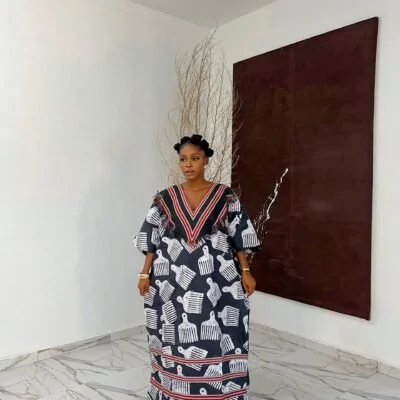
A fashion brand dedicated to creating timeless and elegant pieces for the modern woman.
At Tailored by Adunni, we blend modern elegance with African heritage, creating unique, high-quality fashion pieces for every occasion. Our collections celebrate individuality and confidence. Shop with us & embrace your style!
Store Opening: 9am-6pm(WAT) Monday-Friday
10am-4pm(WAT) Saturday
All Rights Reserved. © 2025. TailoredByAdunni
Any Questions? Let's chat
